
PRVS Blog
Diesel Motorhome Brake Maintenance Guide
Stopping a forty-thousand-pound motorhome safely requires more than a firm press on the pedal. Check your gauges, listen for leaks, and notice changes in stopping behavior before every trip so small warning signs do not become dangerous highway failures.
Schedule a professional diesel chassis brake inspection or call Patriots RV Services at (940) 488-5047.
Diesel motorhome brake maintenance starts with change awareness
Safe owner checks focus on changes in pedal feel, stopping distance, sounds, smells, warning lights, and air pressure. Park the coach and seek professional help whenever braking behavior is abnormal.
Safe travel in a large coach takes more than a quick look at the tires. The key to diesel motorhome brake maintenance is seeing how your coach feels on the road. You do not need to be an expert to know when something is new. Most major brake issues start as small changes that an alert driver can catch early. If you pay attention, you can keep your coach safe for many years to come.
Do not try to fix things yourself. Your job is to watch for signs and report them to a pro. Driving a diesel coach through North Texas heat and heavy traffic puts a lot of stress on your chassis. You should always trust your gut when the brakes do not feel right. If you find a fault early, you can avoid a bad failure later. This simple step keeps you and your family safe while you are on the road.
What normal stopping feels like
When your brakes are in good shape, they should feel firm and steady. You should not have to press the pedal all the way to the floor to slow down. The coach should stay in its lane and not pull to one side. You also want to hear smooth, quiet operation without high-pitched squeals or grinding noises. If you hear a hiss or a squeak, it might be time for a check at a shop.
Smooth stopping is a sign that your professional diesel chassis brake inspection is up to date. On a long travel day, your brakes should remain even after many miles. If you notice the pedal feels soft or "mushy" as the day goes on, it is time to take a closer look. Steady work is the baseline you should expect every time you hit the road. This is how you stay in control of your big coach at all times.
Warning signs to watch for
There are several red flags that tell you it is time for expert help. A common sign is a longer stopping distance. If you feel like you have to start braking much earlier than usual, your system is losing its grip. You might also feel a shake through the steering wheel or the brake pedal when you slow down. These signs are warnings that your parts are wearing out and need a look.
Other signs are harder to ignore, like a loud alarm or a warning lamp on your dash. You should also watch for unusual air-pressure changes on your gauges. As the Federal Motor Carrier Safety Administration (FMCSA) notes, any loss of pressure is a safety risk that needs a pro. If you notice any of these signs, you should look for comprehensive RV services and repairs to find the root cause.
- Longer stopping distances than you are used to.
- Pulling to the left or right when you step on the pedal.
- Unusual sounds like high-pitched squeals or grinding.
- New shakes in the brake pedal or the steering wheel.
- Warning lights or air pressure alarms on the dash.
When to park the coach
Safety is the top goal for any RV owner. If your brakes fail, you are not just risking your coach, but also the safety of others. There are some signs that mean you should not drive another mile. If your parking brake does not hold the coach in place, you should not travel. The same is true if you hear a constant air leak or see a red warning light that stays on.
Heavy loads and towing can make these problems worse very fast. The extra weight adds more heat to the system. This can lead to brake fade where the brakes stop working as well as they should. If you notice brake fade, stop your coach and let the brakes cool down. A pro check is the only way to be sure your brakes are ready for the road. Taking a break to get a repair is a small price to pay for peace of mind while you travel through North Texas or beyond.
What warning signs mean your motorhome brakes need service?
Longer stops, pulling, vibration, grinding, burning odors, warning lamps, low-air alarms, or pressure loss mean the brakes need prompt professional inspection. Do not drive when stopping ability or air pressure is uncertain.
Safe travel starts with knowing how your diesel motorhome stops. Large coaches rely on complex systems to manage weight and heat during long trips through North Texas. If you notice a change in how your pedal feels or how the coach reacts, it is time for professional diesel coach brake service. Ignoring small signs can lead to big risks on the road. Brake systems must be in top shape to handle the heavy loads of a full motorhome and a towed car.
Visible and audible alerts
Modern diesel coaches use many tools to tell you if something is wrong. A dashboard light for the Anti-Lock Braking System (ABS) is a clear sign of a fault. You might also hear a high-pitched squeal or a deep grinding sound when you press the pedal. These sounds often mean the brake pads or shoes are thin and need a pro to look at them. According to the FMCSA, a visual warning must activate if your air pressure gauge drops below 60 psi. If you see this light, find a safe place to stop your coach right away.
You should also pay attention to how the motorhome moves. If the coach pulls to one side when you brake, you may have a stuck caliper or a worn line. Vibration in the steering wheel or brake pedal can mean the rotors are not flat. These issues make it harder to control your coach in traffic or on steep hills. Expert comprehensive RV services and repairs can find the root cause of these pulls and shakes before they get worse. A steady coach is much safer and easier to drive on long trips.
Air pressure and pedal feel
Air brakes work differently than the brakes in your car. You should watch your air gauges for any slow build-up or fast leaks. It should take 45 seconds or less for your air pressure to rise from 85 psi to 100 psi. If it takes longer, your air compressor or lines may have a leak. Sudden drops in pressure while driving are a major safety risk that needs a fast fix. Proper seasonal RV readiness service often includes checks for these air system leaks. Small leaks today can become big failures tomorrow.
The feel of the brake pedal also tells a story. A soft or "spongy" pedal can mean there is air in the lines or a leak in the system. If the pedal goes too far toward the floor, you may not have enough force to stop in a hurry. Heat can also cause brake fade, which makes the pedal feel firm but reduces your stopping power. If you smell a hot, acrid odor after a long hill, pull over safely and let the brakes cool down. Do not keep driving if you are not sure your brakes will hold. Safety must always come first when you are behind the wheel.
Parking brake and stopping distance
Your parking brake is the final line of defense for a parked coach. If the parking brake does not hold the coach on a slight hill, the system needs help. You may also notice that it takes more room to come to a full stop than it used to. This longer stopping distance is a sign that your brakes are losing their grip. North Texas traffic can be thick, and you need to know your coach will stop when you need it to. Keeping your brakes in good repair gives you peace of mind on every mile of your trip.
How should you check braking behavior before a trip?
Before a trip, check warning lights and air gauges, listen for leaks, then perform a slow-speed stop and parking-brake test only in a flat, clear area. These diagnostic checks never replace a professional inspection.
Safe travel starts before you leave your driveway or storage lot in Denton. North Texas heat and heavy traffic put a big stress on your coach. You need to know that your brakes will work well during long travel days. A quick check of how your rig feels and sounds can find small issues before they become big risks. This guide helps you spot signs of wear without the need to crawl under the unit.
Your owner manual has specific rules for your chassis. Most builders suggest a professional check every year or every few thousand miles. But you should also pay close attention to any changes in how the pedal feels or how the coach stops. If you notice anything odd, it is time for a expert chassis brake evaluation to keep your family safe on the road.
Check for warning lights and alarms
Start your coach and let it run. Look at your dash for any brake or ABS warning lights. On diesel rigs with air brakes, listen for the low-air alarm. It should stop once the pressure builds up to a safe level. If the alarm stays on or a light does not go out, do not drive the coach. These systems tell you when the rig cannot stop safely. You should trust what the sensors find.
Pay close attention to how fast the air pressure rises. It should reach the cutout point quickly and stay there. If you hear air leaks or see the needle drop while the engine is off, you likely have a leak. This is a common issue that needs comprehensive RV services and repairs before you hit the highway. Catching these leaks early prevents the risk of brake failure while you are towing or driving through steep hills.
Perform a slow-speed stop test
Find a flat, clear spot to test your stopping power. Move the coach forward at a very slow speed, about five miles per hour. Apply the brakes firmly but gently. The coach should stop straight without pulling to one side. You should not feel any pulsing in the pedal or hear loud squeals. Any pulling or odd noises mean your brake pads or drums might need a professional look to ensure even wear.
This test also lets you check your parking brake. Set the brake and try to move the coach gently. It should hold firm. If the coach creeps forward, the parking brake is not doing its job. This is a vital safety step for when you park at a campsite or a rest stop. A weak parking brake is a major hazard, especially when you carry heavy loads or tow a car behind your diesel motorhome.
- Check the dash for brake warning lights and listen for air alarms while the engine runs to ensure all systems show a ready state.
- Watch the air pressure gauges to see that they reach full pressure and hold steady without any audible leaks or needle drops.
- Drive slowly in a flat area and apply the brakes to feel for any pulling or pulsing that might signal uneven wear or damage.
- Verify that the coach stops in a straight line without any loud squealing, grinding, or metal-on-metal sounds during the stop.
- Test the parking brake by setting it and gently trying to move the coach to make sure it holds the full weight of the rig.
- Smell for any burning odors after a few stops which can be a sign of a stuck caliper or a brake that is not releasing.
Listen for unusual brake sounds
Brakes should be quiet. If you hear a high-pitch squeal, it often means the brake pads are thin. Grinding sounds are even worse because they mean metal is touching metal. This can ruin your rotors or drums very fast. These sounds are your coach telling you that the parts are worn out. They need to be replaced by a pro who knows diesel chassis work.
Also, listen for the sound of the air dryer or compressor. If you hear them cycling too often, you might have a hidden leak. The Department of Motor Vehicles notes that air brake systems must maintain pressure to work well in an emergency. Keeping your air system in top shape is a key part of your diesel motorhome brake maintenance routine. Do not ignore small sounds that seem new or different than usual.
If you have questions about your brakes or need a pre-trip check, call Patriots RV Services at (940) 488-5047. Our team in Denton can help you get ready for your next mission.
What should owners understand about diesel motorhome air brakes?
Air brakes depend on a compressor, tanks, valves, an air dryer, and steady pressure. Slow pressure build, rapid loss, frequent compressor cycling, or a low-air alarm requires professional diagnosis before travel.
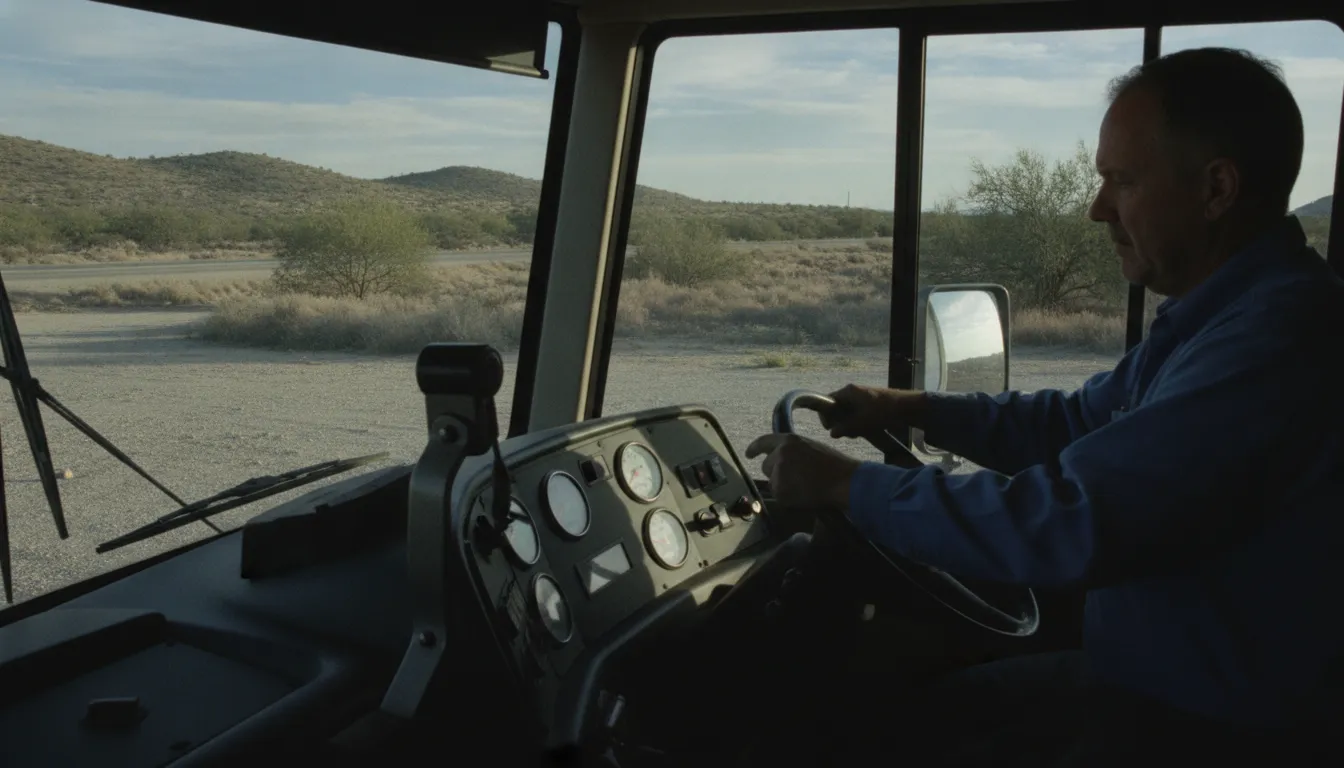
Most large diesel motorcoaches use air pressure to stop rather than fluid. This system is complex but vital for your safety on the road. Understanding how air brakes work can help you find problems before they lead to a failure. For a smooth trip, regular diesel chassis air-brake service should include a full look at your air system. Our team in Denton, TX, often sees how North Texas heat and traffic put extra stress on these parts.
How the air system builds and holds pressure
Your coach has an air compressor that runs off the engine. It fills metal tanks with air to power your brakes. While you drive, you should watch your air gauges. Most systems cut out between 110 and 130 psi and cut back in about 20 psi lower. If your air builds slowly or fails to reach these levels, you may have a leak or a worn compressor. According to the Federal Motor Carrier Safety Administration, a visual warning must activate if air pressure drops below 60 psi.
Leaks are a major concern for any owner. You can often hear a large leak when the engine is off. Small leaks are harder to find but show up on your gauges over time. If you notice your air pressure dropping fast while parked, it is time for professional comprehensive RV services and repairs. Keeping your air tanks tight ensures you have enough power to stop safely every time you press the pedal.
The role of the air dryer and moisture control
Compressed air creates water and oil as it cools. If this moisture stays in your lines, it can rust parts or freeze in cold weather. Your air dryer is the main defense against this buildup. It has a filter called a desiccant cartridge that pulls water out of the air. This part needs regular changes to keep the system dry. If you see water when you drain your air tanks, your dryer likely needs service.
Proper moisture control is key to long-term seasonal RV readiness service. A wet system can cause valves to stick or fail. This leads to brakes that do not release or do not apply correctly. We check these systems for our North Texas customers to prevent rust from forming inside the lines. A dry system is a reliable system, especially when you are far from home on a long trip.
Warning signs and alarms to watch for
Your motorhome has built-in safety alarms. A loud buzzer or a bright red light will come on if your air pressure is too low to drive safely. You should never ignore these signals. If an alarm sounds while you are on the road, find a safe place to pull over right away. Driving with low air can cause your parking brakes to lock up suddenly, which is very dangerous in traffic.
You should also listen for the air governor to "sneeze" or purge. This sound tells you the system is full and the air dryer is working. If you never hear this sound, or if it happens too often, your system may be working too hard. Our veteran-owned shop in Denton can help find the cause. We use expert tools to test your compressor, governor, and valves to keep your brakes in top shape. To speak with our team about your coach, call (940) 488-5047.
How often should diesel motorhome brakes be inspected?
Follow the chassis maker schedule; a common baseline is a professional inspection every 12 months or 15,000 miles, plus owner checks before every trip. Heavy towing, hills, heat, and long storage can justify earlier service.
Most diesel motorhome owners know that stopping a large coach takes more work than a car. Good brake care keeps your coach safe on the road. Most chassis makers like Freightliner or Spartan suggest a full brake check at least once a year. This check should be part of your routine annual motorhome chassis inspection to make sure every part of the system works well. While miles are a factor, time and use matter just as much for these heavy systems.
Chassis service schedules
Each diesel chassis comes with its own service book. These guides list when to check pads, drums, and air lines. For most owners, a pro check-up every 12 months or every 15,000 miles is the standard. If you travel through hills or tow a heavy car, you may need more checks. In North Texas, the heat and traffic can also put more stress on your brakes. Following these rules helps you find small issues before they become big, costly repairs at a full RV services and repairs shop.
Large coaches often use air brakes. These are not like the brakes in your car. These systems have many valves, seals, and air tanks that need a close look. A pro will check for air leaks and test the air pressure timing. They also check the brake stroke to make sure the parts hit at the right time. This work is more than what most owners can do at home. Proper care follows federal safety standards for heavy coaches to keep everyone safe.
Storage and use factors
How you store your RV affects its brakes. If your coach sits for months in Denton, TX, moisture can build up in the air tanks. This water can cause rust inside the lines or valves. Also, rubber seals can dry out and crack over time. Even if you do not drive many miles, the age of the parts matters. A yearly check ensures that the time spent sitting has not damaged the system. This is a key part of any seasonal RV check before you head out on a trip.
The weight you carry also changes how often you should look at your brakes. A full water tank and gear add to the work your brakes must do. If you often drive at max weight, your brake pads will wear down faster. Heat is the main enemy of braking power. Driving down long hills creates a lot of heat, which can glaze the brake linings. If you notice a burnt smell or a change in how the pedal feels, you should get a check right away.
Owner checks vs. pro inspections
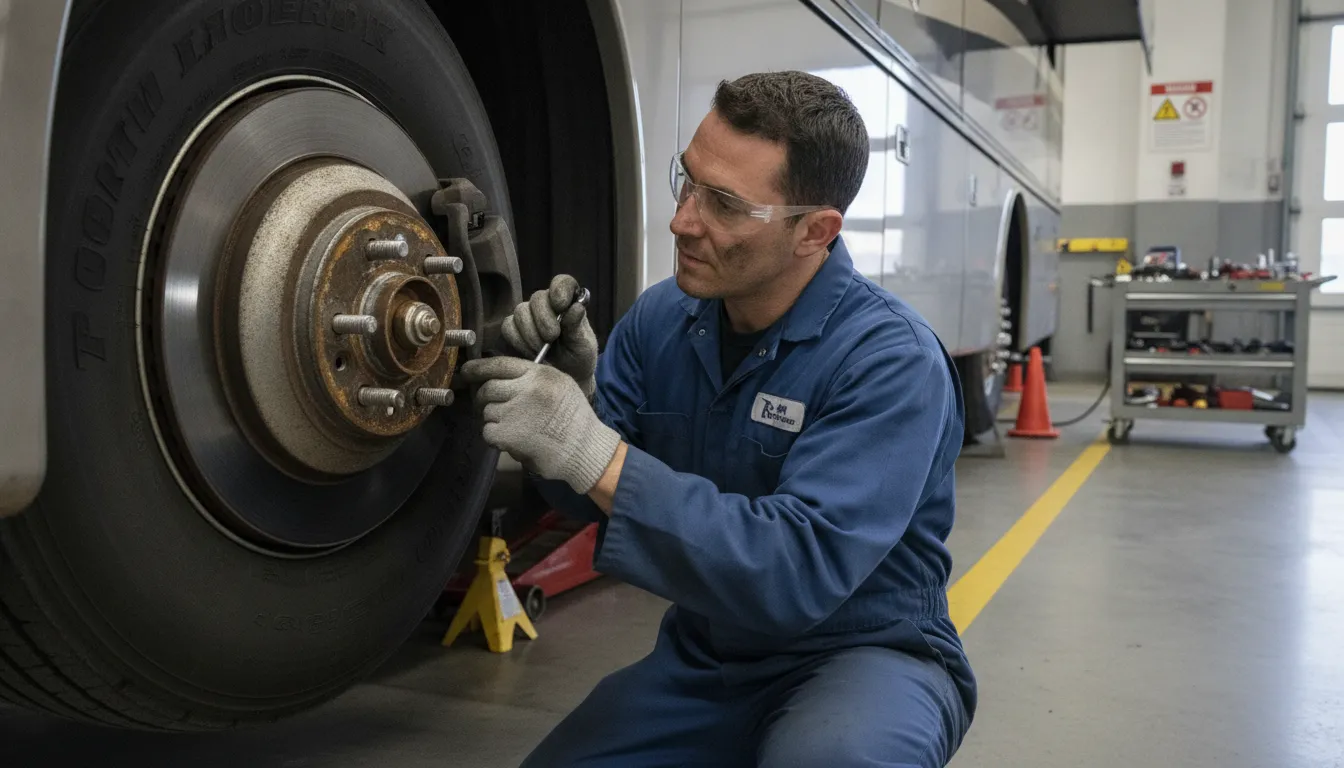
Owners can do simple checks before every trip. You should look for any leaks under the coach. Listen for odd sounds like squeaks or grinding when you stop. You can also watch your air gauges to see how fast the tanks fill. They should also hold pressure well. If the pressure drops too fast when the engine is off, you have a leak. These steps help you stay aware of your coach's health, but they do not replace a pro's eye.
A pro has the tools to measure part wear. They pull the wheels to see the pads and drums. They check the thickness of the parts against the maker's limits. They also look for heat cracks and check the slack adjusters. This deep look finds problems that a simple walk-around will miss. Having a pro check your chassis ensures your motorhome is ready for the miles ahead.
| Situation | Who Checks It | When | Decision |
|---|---|---|---|
| Routine pre-trip check | Owner | Before every trip | Travel only if gauges, alarms, sounds, and slow-speed stopping are normal. |
| Routine chassis inspection | Professional technician | Every 12 months or 15,000 miles, subject to the chassis maker schedule | Schedule service before the interval expires. |
| Coach stored for months | Professional technician | Before returning to regular travel | Inspect for moisture, corrosion, dry seals, and air leaks. |
| Warning light, low-air alarm, leak, pulling, grinding, or longer stop | Professional technician | Immediately | Park safely and do not resume travel until the fault is diagnosed. |
Frequently Asked Questions
The answers below cover inspection timing, worn-brake warning signs, and air-system problems. When a coach stops differently or shows a low-air warning, park it safely and arrange professional service.
How often should I inspect my diesel motorhome brakes?
Motorhome brake inspection intervals depend on your chassis maker and how you use your coach. Most experts suggest a full check at least once a year or every 15,000 miles. However, North Texas heat and heavy loads can wear parts faster. You should always check your brakes before any long trip. If you notice any changes in how your coach stops, schedule a professional brake system assessment right away to stay safe on the road.
What are the signs of worn brakes on a diesel pusher?
Common warning signs include a pulling feeling to one side or a steering wheel that shakes during stops. You might also hear squealing noises or smell a sharp, burnt odor after braking. An increase in your stopping distance is a major safety risk that needs a quick look. If your brake warning lamps or air alarms turn on, do not ignore them. For expert help, you can get comprehensive RV services and repairs in Denton to find the root cause.
How do I know if my RV air brake system has a problem?
Your air brake system gives off several clues when it needs care. Watch your air pressure gauges for slow build-up or fast drops while parked. Listen for loud air leaks or odd hissing sounds when you press the pedal. If the low-air warning light stays on or the alarm sounds, your system is not safe. Air brakes are complex and need a pro to check them. Regular diesel motorhome brake maintenance helps find small leaks before they cause a breakdown.
Ready to schedule your diesel motorhome chassis service?
Patriots RV Services provides professional diesel chassis and brake inspections in Denton, TX. Call (940) 488-5047 to discuss warning signs and schedule service.
Small brake issues in a large diesel motorhome can turn into big safety risks very quickly. If you ignore the warning signs, you might face a full system failure while you are on a steep hill or in heavy traffic. Do not put your travel plans or your family at risk by waiting for a total breakdown. You can avoid the stress of being stuck on the side of the road and the high cost of a tow. Getting an expert check now ensures your coach is ready for your next trip. It takes just one visit to our Denton shop to get the peace of mind you need. Our team can find and fix small problems before they lead to a bad spot. Start your season with a safe rig.
Ready to schedule diesel motorhome chassis service? Call (940) 488-5047 to talk to a diesel tech at our Denton shop today.