
PRVS Blog
RV Black Tank Smell: Causes, Fixes, and Prevention
Persistent sewer smells inside your rig often signal a deeper issue than just a full tank. These odors frequently stem from poor ventilation, dry traps, waste buildup, or a failing toilet seal. Taking fast action helps keep the odor from spreading and makes it easier to identify the source.
An RV black tank smell usually comes from low water, blocked roof vents, or failing toilet seals that let foul sewer gases into your rig's daily living area. You can fix most issues by adding 1.25 gallons of water for every 10 gallons of tank capacity to help solids break down and prevent heavy sludge buildup. Research on tank odors during summer shows that high heat speeds up waste breakdown and makes these smells much worse for all North Texas travelers today. Thorough tank flushing and expert plumbing checks are the best ways to find the root cause and keep your rig fresh and safe for every single mission now.
Finding the source of a persistent sewer smell is the first step toward a fresh cabin. We will look at the common plumbing failures and vent issues that lead to these cabin problems. To fix the issue for good, we must ask What causes an RV black tank smell? The path begins with finding
What causes an RV black tank smell?
An RV black tank smell often starts when waste does not break down the right way. Your tank needs the right mix of water and air to stay clean. When this balance fails, gas can build up and enter your cabin. Finding the root cause is the first step to a fresh RV.
Lack of water and waste buildup
Most tank smells happen because there is not enough water in the system. Solid waste needs plenty of liquid to break down and flow out during a dump. Without it, waste can dry out and form a pile on the tank floor. This pile traps odors and makes flushing much harder.
Heat also plays a big role in how your tank smells. High summer heat can speed up the way waste breaks down. This leads to more gas and stronger odors inside the bathroom. Adding about 1.25 gallons of water for every 10 gallons of tank space can help keep waste liquid. You should also use professional RV maintenance and repair services to flush the tank well after each trip.
Blocked vents and plumbing leaks
Your RV uses a roof vent to pull sewer gases up and out of the rig. If this vent gets blocked by bird nests or leaves, the gas has nowhere to go but back inside. Wind can also push these gases down into the cabin if the vent cap is loose or broken.
Plumbing leaks are another source of bad smells. A small crack in a pipe or a loose joint can let gas seep into the walls. While these leaks are hard to see, they are a real risk to your health. Research from the National Institutes of Health shows that water tanks can even hold harmful germs like Legionella. Keeping your vent lines clear and your pipes sealed is a vital part of rig safety.
Toilet seal and flange issues
The seal at the base of your toilet is the last line of defense against tank odors. This rubber seal holds a small pool of water that blocks gas from coming up. If the seal dries out or cracks, it can no longer hold water. This lets sewer gas flow straight from the tank into your bathroom.
You should also check the flange where the toilet meets the floor. A loose or damaged flange can cause leaks that soak into the floor and create a lasting smell. Proper tank care during winterizing your RV in North Texas helps keep these seals soft and working well. If you still smell sewer gas after a deep clean, you may need an expert to check for hidden leaks in the plumbing system.
Owner-safe checks for an RV black tank smell
Stopping a bad RV black tank smell starts with a clear plan. You do not need harsh tools to find the source of the odor. Most smells come from basic issues or small gaps in the system. By using a set of safe steps, you can find the root cause without any risk to your rig or your health.
Inspect the toilet seal and bowl
The first place to look is the toilet itself. A healthy RV toilet uses a small amount of water to create a gas seal. If the water drains away, sewer gas can rise into your living space. You should check the rubber seal at the bottom of the bowl for cracks or dirt. A clean, wet seal is your best defense against bad air.
You also need to check the traps in your sinks and shower. These traps hold water to block smells from the waste systems. If you have not used a drain in a while, the water may have dried up. Pouring a cup of water down each drain is a quick way to fix the seal and keep your air fresh.
Verify tank levels and vent pipes
A full tank or a blocked vent can push odors into the cabin. Your tank sensors often give false readings, so do not trust them. If the tank is too full, there is no room for air to move. This force can push gasses past your seals. It is a good idea to check your levels often and dump when needed.
The vent pipe on your roof is also a common cause. If a bird nest or a clump of leaves blocks the pipe, the gas has nowhere to go but down. You can check the vent cap from the roof to ensure it is clear. Good airflow is vital for a smell-free rig. For constant issues, professional RV maintenance and repair services can help find hidden blocks.
Use a safe dumping process
How you dump your waste matters as much as how often you do it. A clean tank is less likely to smell. Using plenty of water during the flush helps break down waste and prevents buildup. You should avoid fixes like heavy scents that only hide the problem. Using standard cleaning guidelines ensures your system stays safe and works well over time.
- Check the toilet bowl to ensure it holds water and the seal is tight.
- Add water to every sink and shower drain to fill the traps.
- Check that the roof vent is clear of any trash like leaves or nests.
- Empty the tank and use a strong flush to remove waste.
- Add a few gallons of fresh water back into the tank after dumping.
- Check the sewer hose for any small leaks or loose parts.
If these checks do not stop the smell, you may have a larger issue. Sometimes a pipe can crack or a seal deep in the system can fail. In these cases, it is best to have an expert look at your rig. Fast and clear repairs will get you back on the road with peace of mind.
Dry traps and toilet seals: small issues, strong odors
A bad RV black tank smell often starts with small barriers that fail. Your RV uses water and seals to block sewer gas from entering the living area. When these barriers dry out or break, gases from the tank flow right into your bathroom. Small leaks in these spots can cause a big stench even if your tank is mostly clean.
How dry P-traps leak gas
Every sink and shower in your rig has a P-trap. This curved pipe holds a small pool of water that acts as a physical wall against odors. If you do not use a sink for a long time, that water can dry up. This is a common issue for owners in North Texas or during long stays in storage. You should check your sink and shower traps to ensure they still hold water. One quick way to fix this is to run your faucets for a few seconds to refill the traps.
You must also know the difference between tank issues and sink trap failures. Sometimes a smell that seems like it comes from the black tank is actually coming from a dry grey tank line. Regular winterizing and maintenance helps keep these lines clear and full of the right fluids. If you follow the plumbing lines, you can often find the source of the leak by checking where the air feels moving or smells the strongest.
The role of toilet bowl seals
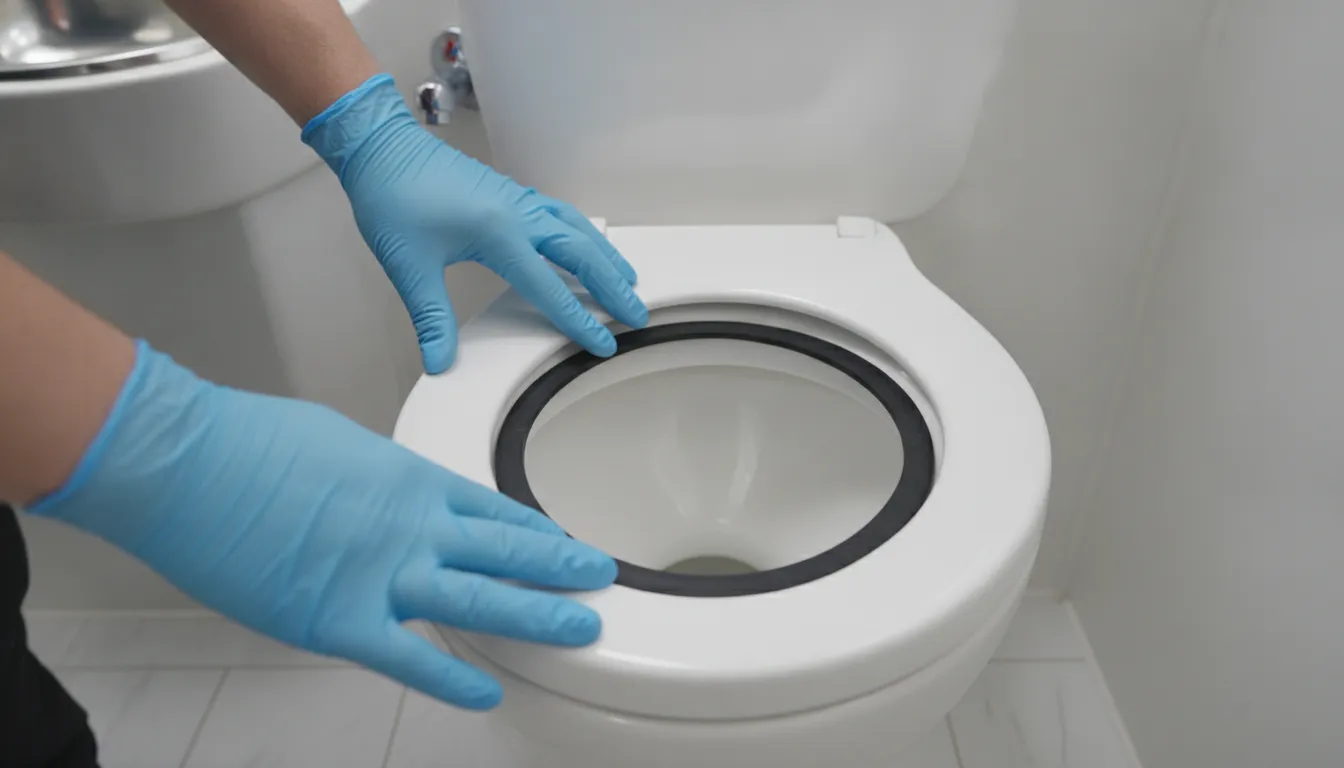
Your RV toilet relies on a rubber seal to keep gas inside the tank. This seal must stay wet to work well. If the water in your toilet bowl drains away, sewer gas can pass directly from the tank into your rig. Over time, these seals can dry out or crack, especially in the heat of Denton summers. The Environmental Protection Agency notes that regular inspections are key to keeping plumbing systems safe and clean. You can test your seal by adding water to the bowl and seeing if it holds that level for an hour.
Finding the odor source
To find the source of a bad smell, start with a simple visual check. Look for a dry bowl or an empty P-trap before you take anything apart. If your traps are full and your toilet holds water, the issue might be a clogged roof vent. Clogged vents can force gas back through your drains. If you still smell a foul odor after checking these seals, you may need expert diagnostics to find the root cause. We focus on fixing the real problem so you can get back on the road without a "band-aid" fix.
Could the black tank vent be the problem?
Yes. A blocked, damaged, or poorly positioned roof vent can prevent sewer gases from escaping above the RV. If the odor becomes stronger while driving or when a bathroom fan runs, the vent system deserves a professional inspection.
How your vent pipe works
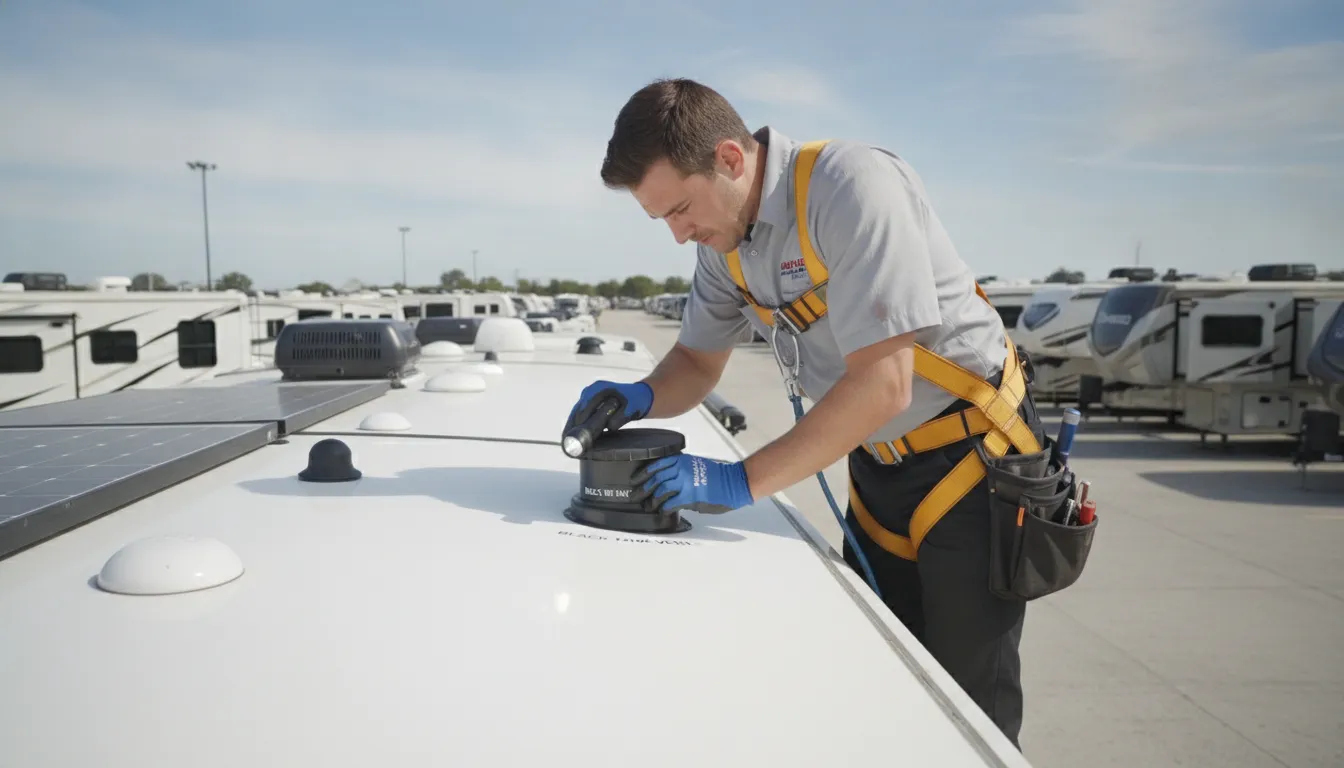
Your RV black tank is not a closed box. It needs air to move in and out. This helps waste break down and move out of the tank with ease. Most rigs use a pipe that goes from the tank up to the roof. This pipe lets sewer gases rise and go out of the top of your coach. This way, the smells stay outside and do not enter your bathroom or bedroom.
When the system works well, you should never notice a bad smell inside. The pipe uses air flow to pull gases up and away from your rig. But if the air cannot flow, those gases will find another way out. Most of the time, that path leads right back into your living area. This can make your trip very hard for you and your family.
Signs of a clogged RV vent
A blocked vent is a common cause of a bad RV black tank smell. When the pipe on the roof gets clogged, air gets stuck. You might hear a gurgling sound when you flush the toilet. This happens because the air has to push through the water in the bowl to get out. If you notice these signs, your vent may have an issue:
- Gurgling or bubbling sounds in the toilet bowl.
- A strong sewer smell that gets worse when you run a fan.
- Odors that stay even after you flush the tank many times.
- Slow draining when you try to empty the black tank.
Poor tank care can also lead to vent failures. If you do not use enough water, waste can build up near the pipe hole. This sludge can block the air flow and cause a huge mess. The EPA says steady checks are needed for waste systems to find these blocks before they cause a backup. Checking your roof vent cap often is a key part of your care plan.
Why expert roof and plumbing checks matter
Fixing a vent pipe on your own can be hard and risky. You must climb on the roof and work near the edge of your rig. You might also use tools that could break your pipes or seals. Professional RV maintenance and repair services can find the exact spot of any block. Expert teams use small cameras to look deep inside your plumbing. This helps find the real cause of the smell so it does not come back next month.
Bad smells are not just a bother. They can also be a risk to your health. Some studies show that tank water can hold bad germs like Legionella. Keeping your vent clear helps keep these germs out of your home on wheels. If the smell stays after a deep flush, you need an expert touch to stay safe.
Patriots RV Services offers full checks for your water and sewer lines. We look at the root of the problem to make sure your rig is safe for use. We can also check your roof for leaks during an RV roof repair visit. This ensures that every part of your vent system is in top shape. Do not let a bad smell ruin your next mission on the road. Our team in Denton can help you get back to your trip fast.
DIY check or professional RV repair?
Most RV owners will deal with an RV black tank smell at some point during their trips. Some of these smells go away after a simple tank flush. But other smells point to a big leak or a broken part that needs expert care. Knowing when to fix it yourself and when to call a shop can save you both time and stress.
Simple owner checks
You can often stop a bad smell by adding more water to your waste tank. Dry waste piles up and traps tank gas when the water level is too low. A good rule is to add about one gallon of water for every eight gallons of tank space. Keeping the tank wet helps waste break down before it can cause a stench. This is even more needed during hot summer months when waste rots faster.
Clean tanks are also a safety risk for your family. Bacteria can grow in RV systems if they are not kept clean. This is a real health risk that goes beyond just a bad smell. The National Institutes of Health shows that water tanks can harbor harmful germs. Normal cleaning keeps the air in your living area fresh and safe for all.
When to call a pro
If a deep flush does not fix the smell, you may have a failed part or a clog. A big issue is a stuck roof vent. This vent lets tank gas go out well through the roof. If it stops up, the gas will come back inside your rig. You might also have a dry or cracked seal around the base of your toilet. These seals keep gas from leaking out of the tank and into your bathroom.
Finding these hidden leaks can be hard for most rig owners. You might need expert RV repair services to find the root cause. Patriots RV Services can find the source of the smell fast. Their team can check for leaks in your vent lines that you cannot reach. Getting an expert look saves you from buying parts you do not need. This is part of their mission to give you fast and expert care.
| Odor Source | DIY Action | Professional Help |
|---|---|---|
| Low water levels | Add 1.25 gallons per 10 gallons of space | Full plumbing check |
| Tank sludge | Use a tank wand and treatment | High-pressure tank flush |
| Toilet seal leak | Clean and lube the seal | New part or toilet fix |
| Vent pipe block | Clear debris from roof cap | Smoke test for line leaks |
Fixing the root cause
The Environmental Protection Agency notes that often checks are the best way to keep waste systems working. This is true for both home septic tanks and RV waste tanks. Do not just use a strong scent to hide the foul smell. That is only a short fix that won't last long. It is like putting a band-aid on a problem that needs a real cure.
It is always best to find the source of the trouble. A pro can check your vent lines and tank seals to make sure they are airtight. This stops the smell for good and keeps your pipes in top shape. Fixing the real issue helps your rig last longer and makes your road trips much more fun.
How to prevent RV black tank smell
Stopping odors before they start is the best way to keep your rig fresh. Most smells come from poor tank habits or low water levels. By following a few simple steps, you can keep your system clean. Regular care is key to a plumbing setup that works every time.
Maintain proper water levels
Water is your best friend for waste management. It helps break down solids and keeps them from sticking to the tank walls. A dry tank will lead to waste piles that trap smells. After you dump, you should add water to the tank. For every 10 gallons of space, add about 1.25 gallons of water. This creates a base that keeps waste from drying out and seals out gases. You can find more tank care tips from industry sources.
You should also make sure your toilet bowl holds water. The water in the bowl acts as a wall. It keeps tank gases from entering your living space. If your bowl stays dry, you may need a new seal. Keeping your water systems clean and sealed is a basic part of safe RV use. This helps you avoid health risks from dirty tanks.
Follow a routine dump schedule
How you dump your waste matters as much as when you do it. Do not leave your black tank valve open while you are hooked up at a park. This lets the liquids run out while the solids stay behind. Instead, wait until the tank is at least two-thirds full before you open the valve. This high volume of water helps flush everything out at once. If you need help, you can look into professional RV maintenance and repair services to keep your gear in top shape.
Check your roof vents
Your black tank needs to breathe. A vent pipe runs from the tank to the roof of your RV. If this vent gets blocked by bird nests or leaves, the gases have nowhere to go. They will drift back into your RV. You should check your roof vent caps once a year. In some cases, a new vent cap can help pull more air out of the tank. For long trips, proper RV winterization and tank care can prevent issues from debris and cold.
When should you call an RV service professional?
Most tank issues have quick fixes that you can do at home. But some problems need a pro to step in and help. If your rig still has an RV black tank smell after a deep clean, the cause might be hidden deep in the system. Foul odors often point to a real failure in the waste lines. You should not ignore these signs if they last for more than a day or two. Expert help can save you from a messy and costly repair later. Our team in Denton can find the root cause and fix it for good. We pride ourselves on fast work that gets you back on the road with no more smells.
Signs of lasting tank smells
You might notice a sewer smell that stays even after you dump and flush the tank. This often happens if the roof vent is clogged or blocked. Gases that should go out through the roof get trapped in the pipes. These gases then push back into your living space through the toilet or sinks. If basic cleaning steps do not work, you should ask for a pro check. A skilled team can run tests to find leaks that you cannot see. Expert tools can find the root cause before it leads to big repair bills. It is best to fix the source now rather than use a short-term fix that will fail.
Visible leaks and worn seals
Check the base of your toilet for any signs of water or wet spots on the floor. A worn seal or flange can let sewer gas leak right into the bathroom. This is not just a smell issue that ruins your trip. It is also a health risk for your family. Harmful germs in water tanks are a known danger according to the National Institutes of Health. In North Texas, high heat can make these rubber seals dry out and crack fast. If you see cracks or if the bowl does not hold water, it is time for a pro to look. Swapping a flange or a seal needs the right tools and a steady hand.
Tank and plumbing blockages
Frequent backups are a big red flag for your rig. If your tank drains slow or if you face clogs, solid waste may be stuck inside the tank. This solid waste is hard to clear with a common garden hose or a wand. A local shop has the right gear to deep-clean the tank and fix the flow. Checking your plumbing lines and outlets is a key part of rig care. The Environmental Protection Agency says that good care keeps the waste system safe. If your rig does not drain well, see us for professional RV maintenance and repair services. We will make sure your waste system is ready for your next long road trip.
Schedule a professional black tank, plumbing, and vent inspection before your next trip.
Frequently Asked Questions
Should I leave my RV black tank valve open or closed?
You should always keep your black tank valve closed until the tank is at least two-thirds full. Leaving it open allows liquids to drain out while solid waste stays behind and dries. This creates a hard pile that traps odors and is very hard to remove. Closing the valve ensures there is enough liquid to flush everything out when you dump.
Should I use a DIY chemical mix to clean my RV black tank?
Use only tank treatments and cleaning steps approved by your RV and toilet manufacturers. Homemade chemical mixtures can damage seals or create unsafe reactions when products are combined. If routine dumping and an approved tank rinse do not clear the odor, schedule a professional inspection rather than adding more chemicals.
How often should I deep clean my RV black tank?
You should deep clean your black tank at least once or twice a year. If you live in your rig full-time, you might need to do it more often. A deep clean removes the thin film of bacteria and old waste that a normal dump leaves behind. This helps your sensors stay clear and keeps the air fresh. Patriots RV Services offers expert diagnostics to help find the cause of odors that regular cleaning cannot fix.
Why does my RV black tank smell bad in the summer?
High summer heat speeds up the way waste breaks down inside your tank. This process is called fermentation, and it creates a lot of sewer gas very quickly. Warmer air also makes these gases rise faster, which can push them past your toilet seals. According to research from Walex, you should add more water and tank treatments during hot months to keep smells under control.
Ready to fix your RV black tank smell for good?
Ignoring a bad tank smell leads to deep waste buildup and very costly fixes that can stop your next trip. Getting an expert check now saves you time and prevents a messy breakdown while you are far from home. Our team finds the root cause fast so you can stop the smell and get back to your travels with a fresh rig. We handle every part of your waste system with care and ensure your sensors and seals work as they should. You can count on us for a total fix that lasts for many miles across North Texas and beyond. Waiting too long only makes the job harder to do and the odor much worse to live with. We want to help you stay on the road without any stress from your plumbing.
Ready to get your RV fresh again? Call Patriots RV Services at (940) 488-5047 to schedule service at our Denton-area RV service center.