
PRVS Blog
How Often Should an RV Roof Be Resealed: Expert Advice for Every RV Owner
Patriots RV Services · 2025-11-11
How Often Should an RV Roof Be Resealed: Expert Advice for Every RV Owner
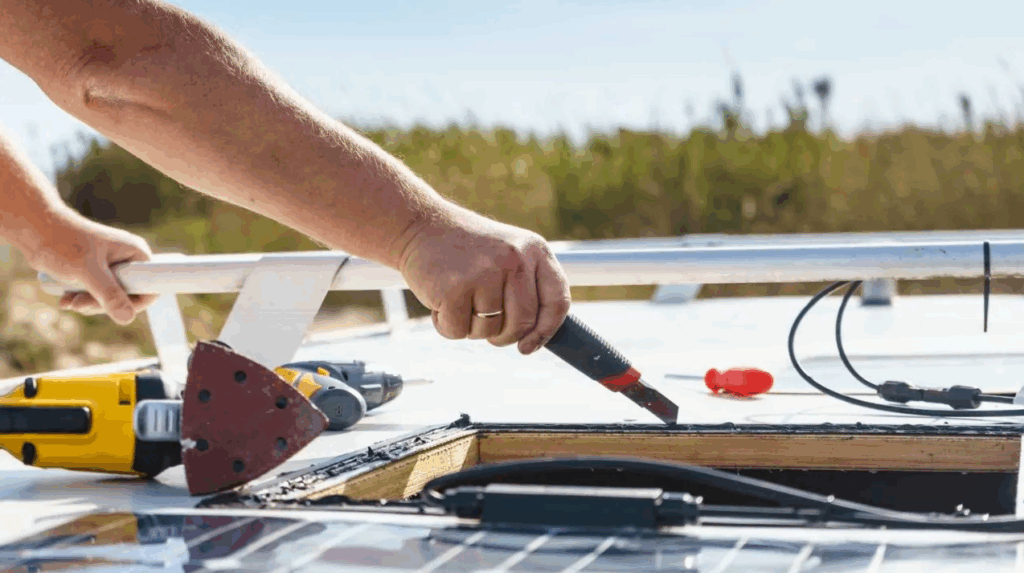
Maintaining your RV’s roof in good condition is a crucial aspect of long-term vehicle care. Understanding how often to reseal it can help prevent leaks, costly repairs, and unnecessary wear and tear. Before diving into the specifics, remember that professional help is available through a mobile RV repair service, which can make the process faster and more reliable.
The frequency of resealing depends on several factors, such as the type of sealant, weather exposure, and the age of the roof. Consistent inspection and maintenance help ensure that your RV stays watertight and protected throughout the year.
Importance of RV Roof Maintenance
Maintaining your RV roof is one of the most reliable ways to prevent leaks and protect its structure. Regular inspections should be done at least twice a year, particularly before and after the winter season. Start by examining the surface for cracks, bubbles, or peeling sealant. A clean roof ensures that new sealant adheres properly, so wash it with a mild cleaner and soft brush to remove dirt and buildup.
After drying, apply a quality sealant according to the manufacturer’s directions, focusing on seams, vents, and corners where leaks are most likely to appear. Routine maintenance can significantly extend the life of your roof and reduce repair expenses.
Signs of Roof Sealant Wear
Roof sealant naturally deteriorates over time, and spotting early signs of wear helps prevent larger issues. Cracks in the sealant are one of the most common indicators that moisture may soon seep through. Discoloration or faded areas often point to sun damage or water intrusion. Peeling sealant indicates that it has lost its adhesion and can no longer effectively protect the roof.
In some cases, bubbling might appear, signaling trapped moisture beneath the surface that requires immediate attention. Addressing these signs promptly helps maintain the roof’s integrity and prevents long-term damage.
Factors Affecting Resealing Frequency
Several elements determine how often your RV roof needs resealing. The type of sealant plays a major role, silicone options generally last longer than acrylic ones. Climate also has a strong influence; constant exposure to harsh sunlight, rain, or temperature swings can shorten the lifespan of the sealant.
The age of your RV also matters, as older materials may lose flexibility and require more frequent maintenance. Regular travel and outdoor storage can speed up deterioration. Knowing how these factors interact allows you to plan an effective maintenance schedule that keeps your RV roof strong and leak-free.
Recommended Resealing Schedule
Setting a consistent resealing schedule ensures your RV roof remains in dependable condition. Many RV owners inspect their roofs once a year to gauge their condition and identify areas that need touch-ups or a full reseal. Follow the guidelines of the sealant manufacturer for product-specific intervals and reapplication methods.
If you live in a region with intense sun exposure or heavy rainfall, more frequent inspections may be necessary. RVs that are often on the road or parked outdoors usually benefit from resealing every 12 to 18 months. Staying proactive with a schedule like this helps prevent damage before it begins.
DIY Roof Resealing Tips
For owners who prefer handling maintenance on their own, resealing the roof can be straightforward with proper preparation. Begin by thoroughly cleaning the surface to remove old sealant and debris. Inspect for cracks or gaps that might need patching before applying new material. Use a compatible sealant designed for your specific roof type, such as EPDM or TPO.
Spread the product evenly with a roller or brush, ensuring full coverage along joints, vents, and edges. Allow sufficient drying time according to the product instructions before exposing it to rain or sunlight. Regular inspections after resealing will help maintain a tight seal and prevent potential leaks.
Hiring Professionals Vs. DIY
Deciding between hiring professionals or doing the job yourself depends on your skill level, available time, and comfort with roof work. Professionals have the experience and tools to ensure thorough sealing and long-term results, though at a higher cost. A DIY approach can be more budget-friendly if you have the time and patience to do it carefully.
However, improper application can lead to leaks or void the warranty. For many owners, hiring an experienced technician offers peace of mind and guarantees lasting results. Whether handled personally or through expert help, keeping your RV roof sealed is an investment in your vehicle’s longevity.
Related Topics:
- How to Remove Butyl Tape From RV Roof Easily and Safely
- How to Maintain TPO RV Roof and Extend Its Lifespan
Need Professional RV Service in Denton, TX?
Call (940) 488-5047 — Patriots RV Services, your mission-critical RV service center in Denton, TX.