PRVS Blog
RV Generator Maintenance: A Complete Guide for North Texas Campers
Is your RV generator ready for your next North Texas camping trip? Contact Patriots RV Services at (940) 488-5047 for professional generator maintenance in Denton, TX.
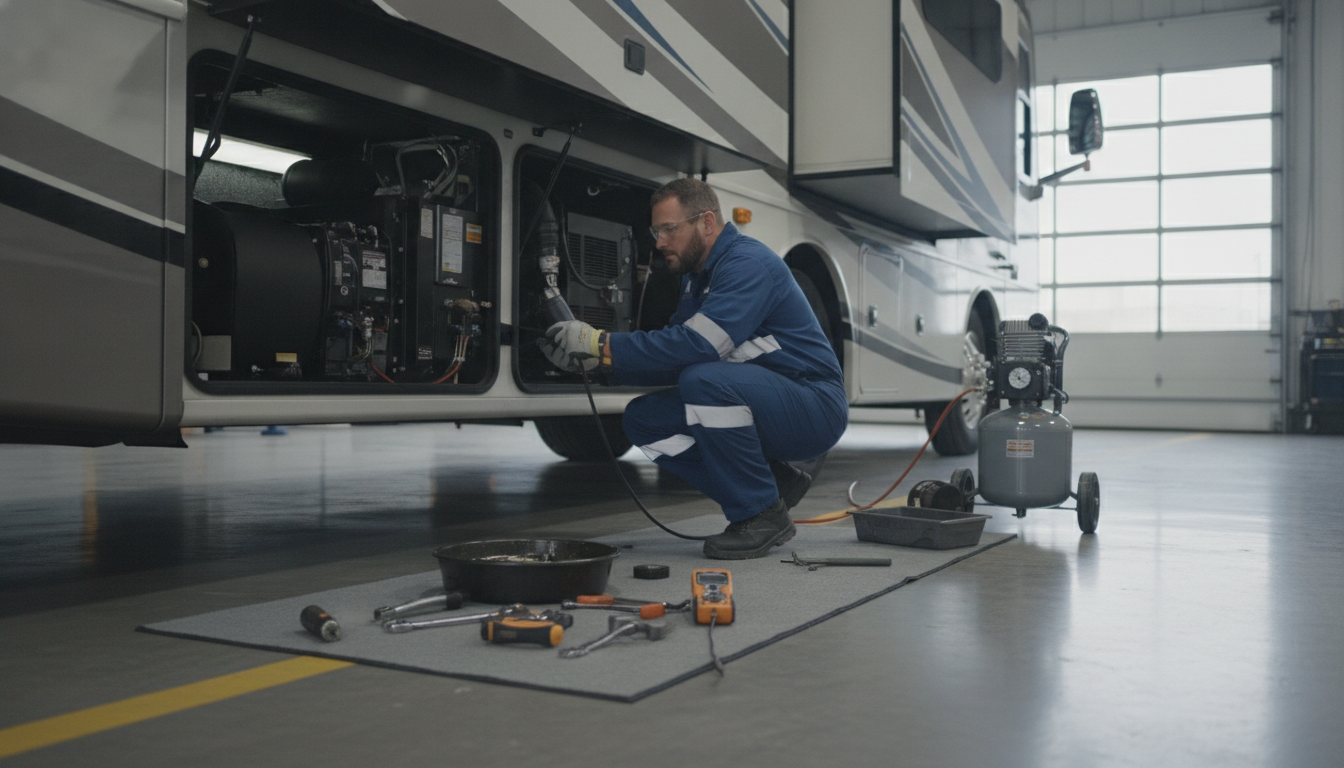
Preventative RV generator maintenance is the most effective way to protect your onboard electrical system and ensure reliable start-ups when camping in Denton or North Texas. According to federal energy management guidelines published by the Pacific Northwest National Laboratory, neglecting routine generator maintenance leads to premature system failure and a loss of power during critical operational windows. For RV owners, this means conducting regular oil changes, inspecting air filters every fifty hours, and exercising the generator set under load monthly to prevent carburetor gumming. Maintaining these service intervals preserves fuel efficiency, protects auxiliary appliances, and ensures your air conditioner runs continuously when outdoor temperatures exceed one hundred degrees. Keep your generator reliable all season long. Call (940) 488-5047 to schedule professional RV generator maintenance in Denton, TX today. Failing to address small engine issues before you head out can lead to costly diagnostic repairs at our professional service facility. Understanding the mechanics of your power system is the first step toward worry-free travel. Here is why RV Generator Maintenance Matters for North Texas Camping.Why RV Generator Maintenance Matters for North Texas Camping
Operating an RV generator in North Texas puts unique stress on your power systems. High summer temperatures combined with dry, dusty conditions near Denton can lead to serious performance issues. Staying on top of routine care is the best way to keep your system running when you need it most.Prevent Premature System Failure
Neglecting basic generator care is the primary cause of early equipment breakdowns. Skipping routine service can result in sudden power loss during a trip or lead to expensive repair bills. Research shows that standby power systems need regular upkeep to prevent premature system failure when primary power cuts out.Optimize Fuel and Power Efficiency
A well-maintained generator runs much more efficiently than a neglected one. Proper upkeep keeps fuel consumption low while ensuring stable electrical output for your AC units and appliances. Consistent care is critical for optimized efficiency and solid performance during hot summer camping trips.Match Care to Your Specific System
RV generators are not all the same, and their upkeep needs depend on several distinct factors. System requirements will vary based on generator size, fuel type, and engine design. Following the manufacturer guidelines ensures your professional RV generator maintenance fits your exact diesel, gas, or propane model perfectly.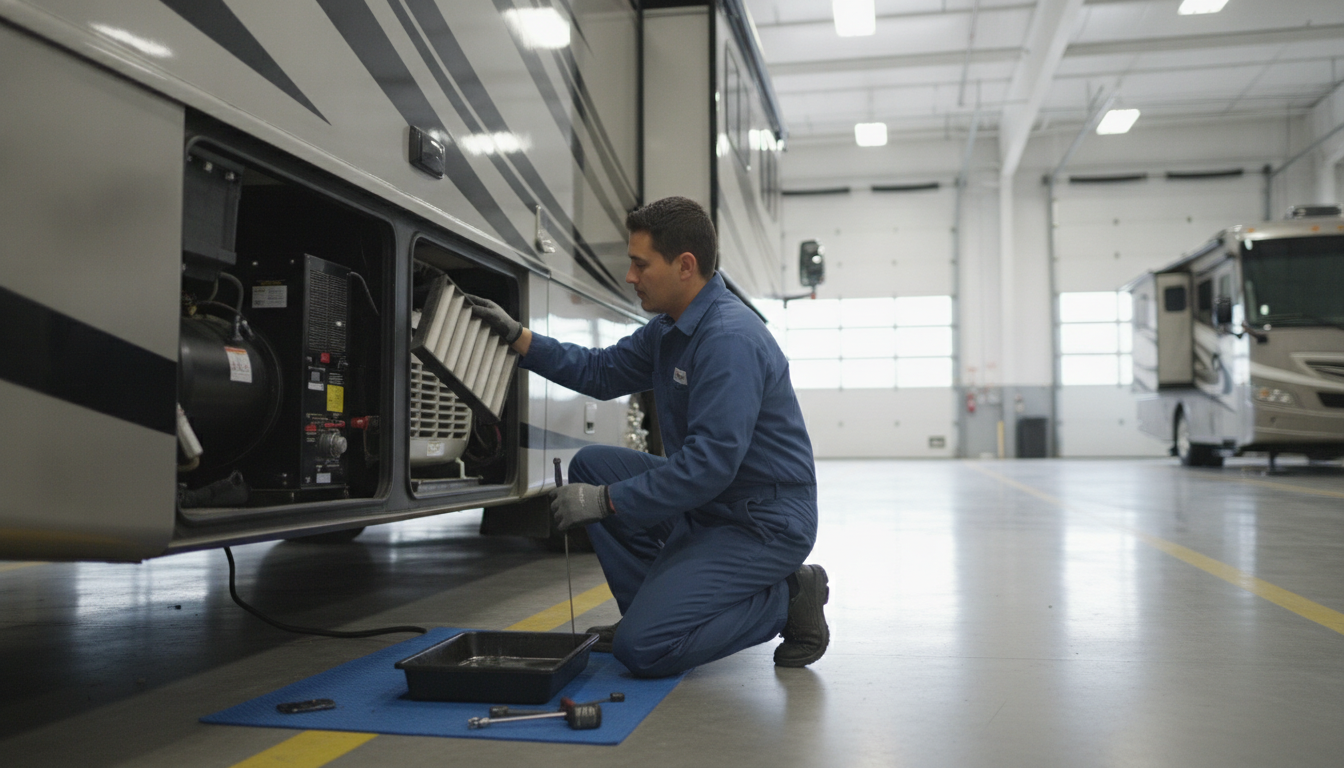
Essential RV Generator Maintenance Schedule and Service Intervals
Following a strict service schedule is the best way to prevent sudden power losses during your trips. Different parts of your generator wear out at distinct rates. Routine checks keep small issues from turning into major engine damage. Regular upkeep also ensures your unit complies with safety and performance guidelines, such as the NFPA 110 standard for emergency power systems.Routine Lubrication and Filter Upkeep
Clean oil and fresh filters are critical for proper engine cooling and efficiency. Plan to change your generator oil and oil filter every 100 to 150 hours of operation, or at least once per year if you use it less often. You must inspect the air filter every 50 hours of running time. Dust from dry North Texas camp spots can quickly clog the element, so swap the filter sooner if you notice heavy dirt buildup. To keep your unit in top shape, always use high-quality OEM consumables like factory-approved oil, filters, and chemicals.Fuel and Ignition System Service
Clean fuel delivery is vital for smooth generator operation. Replace your generator fuel filter every 400 to 500 hours, or every one to two years, to prevent debris from clogging the carburetor or fuel injectors. You should also replace the spark plugs every 500 hours to ensure reliable starting and proper fuel combustion. If you own an older gasoline or LP model, schedule a professional valve clearance adjustment every 800 hours to maintain proper engine timing and prevent power loss.Chassis and Full System Integration
Your generator does not operate in a vacuum. It relies on your coach battery bank to start and works alongside your overall powertrain systems. Incorporating generator checks into your regular RV diesel chassis maintenance routine ensures that fuel lines, electrical connections, and exhaust mounts remain secure. If you notice starting struggles or uneven power output, you can find professional help through our team's comprehensive professional RV generator maintenance and diagnostic services.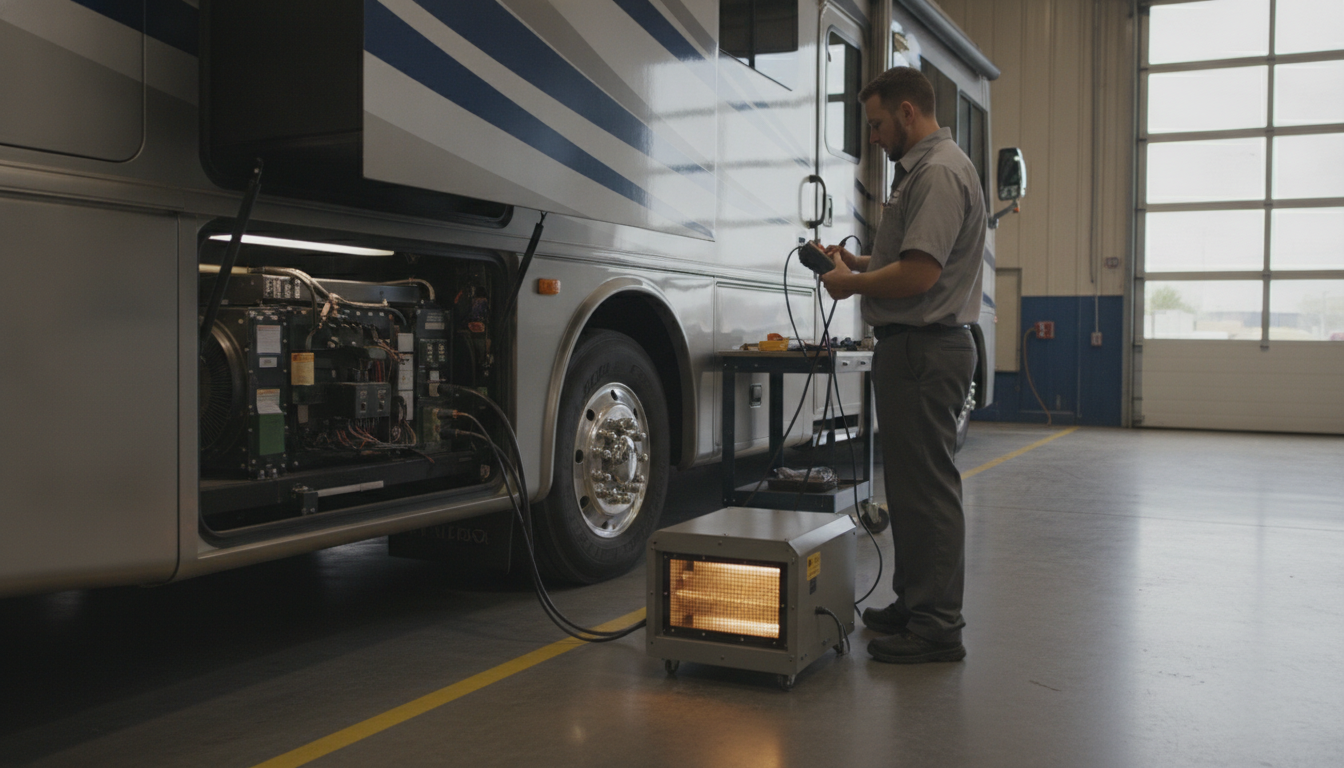
Common RV Generator Problems and Troubleshooting
Your RV generator is a vital power source when camping in North Texas. Like any mechanical system, it can develop issues if you skip routine upkeep. Recognizing the early symptoms of generator failure helps you avoid sudden breakdowns during a trip.Hard Starting and Failure to Crank
If your Onan generator clicks or spins slowly without starting, the main culprit is often a weak 12-volt battery. Stale fuel is another common cause of hard starting in gas models. When gasoline sits unused for more than a month, it degrades and gums up the tiny passages inside the carburetor. For diesel and propane units, clean fuel delivery is equally important. Maintaining your battery and keeping fresh fuel in the tank are simple ways to ensure reliable starts. Regular RV power system maintenance keeps your battery terminals clean and fully charged to supply the high cranking amps your generator needs.Loss of Power and Engine Surging
A generator that starts but runs rough, surges up and down, or fails to produce electricity requires immediate attention. Engine surging is often caused by fuel starvation from a clogged fuel filter or a dirty carburetor jet. If the generator runs but produces no electrical output, the unit may have a tripped circuit breaker on the main control panel. A dirty air filter also restricts airflow, which reduces combustion efficiency and engine power. According to standby generator operating guidelines, neglecting routine maintenance can lead to premature system failure and loss of power when you need it most, as noted by the Pacific Northwest National Laboratory.Oil Leaks and Stalling Under Load
If your generator shuts down shortly after starting or stalls when you turn on the air conditioner, it is likely reacting to a safety sensor. Onan generators use low-oil shutdown switches to protect the internal engine components from friction damage. A small oil leak or a low oil level will trigger this switch and shut down the engine immediately. Overheating can also cause sudden stalling, especially during hot summer days in Denton. Check that the cooling fins are free of dirt, road debris, and pest nests to ensure adequate airflow. If simple checks do not solve your starting or stalling issues, seek a professional diagnosis to prevent severe engine damage.How to Exercise Your RV Generator for Peak Performance
Leaving an RV generator idle for months causes serious damage. Liquid fuel breaks down and forms gummy deposits in the carburetor or fuel injectors. Regular use keeps the fuel system clean, preserves engine seals, and ensures the unit is ready to perform during your next trip. This simple routine is a key part of your RV power system maintenance schedule.Pre-Start Checks
Before you turn the key, you must verify the basic health of the unit. Check the engine oil and coolant levels to make sure they are within the safe operating range. Look for any active fluid leaks, loose wires, or damaged exhaust parts. Routine visual checks every eight to ten run hours help you catch small issues before they become major failures.The Step-by-Step Exercise Routine
You should run your generator under load once a month. This process heats up the system, dries out moisture, and cleans the fuel delivery components. Follow these steps to exercise your generator correctly:- Check fluid levels: Verify that the oil and coolant are full before starting the system.
- Start and warm up: Start the engine and let it run with no load for two minutes to stabilize.
- Apply a heavy load: Turn on appliances to reach at least a 50% load capacity. For example, if you run a 4,000-watt unit, you need about a 2,000-watt draw.
- Run under load: Keep the generator running with this electrical load for 15 to 20 minutes.
- Cool down and shut off: Turn off the heavy appliances first, let the engine run with no load for two minutes, and then shut it off.
- Log your run time: Note the date and the exact engine hours in your maintenance log.
Why Loading the Generator is Essential
Running a generator with no load does not get the engine hot enough. High heat is needed to burn off fuel varnish and keep the internal parts clean. This monthly exercise is vital for engine health and prevents major fuel system issues during long periods of inactivity, as documented in standby generator guidelines from the Pacific Northwest National Laboratory. Proper load application also keeps the generator windings dry and clean, which ensures reliable power output when you camp off the grid.Seasonal RV Generator Maintenance for North Texas Summers and Winters
North Texas weather brings intense shifts in temperature. Summer days regularly climb above 100 degrees, while winter nights can drop below freezing. These extreme changes put extra stress on your power systems. Staying on top of seasonal professional RV generator maintenance is the best way to prevent unexpected power loss when you need your climate control systems the most.Protecting Your Power in Extreme Summer Heat
Denton summers demand peak performance from your air conditioning. When the heat index spikes, your generator works much harder to keep the cabin cool. To protect the motor, switch to a high-viscosity oil like SAE 30, which holds its protective qualities better in high temperatures than multi-grade oils. You must also check the cooling system and clear any leaves, dirt, or road debris from the generator compartment to keep air flowing freely. Before heading out on a hot trip, test the unit under a heavy load. Turn on your air conditioner and other appliances to ensure the voltage does not drop. If your cooling system struggles or the power fluctuates, you may need professional RV AC repair services to resolve the issue before a long summer road trip.Preparing for Freezing Winter Temperatures
Winter maintenance focuses on keeping moisture out of the system. Cold air causes water to condense inside the fuel tank, which can damage the fuel lines. If your generator runs on propane, use a winter fuel blend to keep pressure levels steady. For gasoline and diesel units, run the generator for at least one hour every month under load to heat up the engine and dry out any internal moisture. Check the antifreeze levels and freeze-protection rating if you have a liquid-cooled model. If you plan to store your coach for the season, proper winterizing is vital to protect your plumbing and electrical components. Combining your generator checks with professional RV services and repairs helps ensure your entire coach survives the cold season without damage.Managing Different Fuel Type Requirements
RV power systems rely on diverse fuels depending on their design. According to the Pacific Northwest National Laboratory, standby generators are usually internal combustion engines powered by diesel fuel, propane, or gasoline. Each fuel type requires specific care. Liquid propane is clean but sensitive to cold pressure drops, while gasoline is prone to gumming up the carburetor jets if left sitting for too long. Diesel generators require the most physical maintenance. If you own a diesel coach, you must drain the water from the fuel filter separator once a year or every 100 hours of run time. Leaving water in the fuel can ruin the high-pressure fuel injectors and cause major engine damage. For complete peace of mind, pair this generator service with regular RV diesel chassis maintenance at a qualified facility.DIY Generator Maintenance vs. Professional Service
Taking care of your power setup keeps your trips stress-free. Some tasks are easy to do yourself, but complex problems need expert care. Knowing where to draw the line ensures your unit stays safe and runs well.What You Can Handle on Your Own
As an RV owner, you can easily handle routine tasks to keep your engine healthy. Simple jobs like checking the oil, replacing dirty air filters, and running the unit under load each month are great DIY tasks. Keeping up with these basic needs protects your system from premature wear. For deeper work, professional RV generator service is the best path to prevent issues.When to Call in the Experts
Complex systems need specialist skills to avoid hazards. The Federal Energy Management Program notes that standby systems need proper care to stay reliable and prevent unexpected failure, which you can read about in their guide on standby generators maintenance. Work like cleaning the fuel lines, adjusting valves, or fixing electrical issues must be done by trained experts. If you try to fix these parts without the right tools, you could cause severe damage or hurt yourself.Service Comparison at a Glance
To help you plan, this table compares common tasks you can do yourself with those that require professional tools and training.| Service Level | Key Maintenance Tasks | Tools Needed | Recommended Frequency |
|---|---|---|---|
| DIY Tasks | Checking oil level, changing air filters, visual inspections, monthly exercise | Basic hand tools, rag, safety glasses | Every 50 hours or monthly |
| Professional Service | Valve adjustments, fuel system cleaning, electrical diagnostics, major repairs | Specialty meters, diagnostic software, pressure gauges | Annually or during troubleshooting |
RV Generator vs. Solar Power: Understanding Your Options
When you camp off the grid, you must choose how to power your RV. Both fuel generators and solar setups have clear pros and cons. Knowing how they differ helps you build a setup that fits your needs.The Case for Fuel Generators
Generators provide massive power on demand. A fuel-powered unit can run large loads like your air conditioner without depending on the weather. As long as you have fuel, you have unlimited run time. But these units need regular care, including professional RV generator maintenance to prevent system failures. They also produce noise and exhaust fumes, which can disrupt a quiet campsite.The Benefits of Solar Power
Solar power systems offer a quiet, clean way to charge your batteries. A good solar setup has no fuel costs and runs silently. This makes it perfect for boondocking. However, solar systems are limited by daily sunlight and the size of your battery bank. If you want to run heavy appliances, you will need a large investment in high-end lithium batteries and panel arrays. You can learn more about these setups on our page for RV solar and off-grid power systems.A Balanced Power Strategy
The best off-grid setups use both systems together. You can use solar panels to handle your daily lighting, water pump, and small electronics. Then, you can run your generator for short periods to power your air conditioner or to fast-charge your batteries on cloudy days. This dual-source approach reduces wear on your engine while securing your power supply. Standby power units are classified by their fuel type and size as shown in federal guidelines on standby generators. Using both systems gives you reliable energy in any weather.