PRVS Blog
TrueTopper Slide Topper Benefits for RVs
Fabric slide toppers can flap through the night and carry debris toward vulnerable slide seals. A tougher design protects the slide roof without adding another loose awning to watch, clean, and replace.
Schedule your TrueTopper slide topper installation with Patriots RV Services.
A TrueTopper slide topper is a stable, one-piece aluminum sweep built to protect an RV slide-out roof without the weak points of traditional awning fabric. It helps keep water, snow, leaves, and road debris from collecting above the room, where buildup can threaten seals and slide mechanisms over time. An exclusive third wipe seal adds another cleaning barrier each time the slide moves in and out, helping clear what lands on the roof. Unlike fabric toppers, the fixed system does not flap, sag, or create wind drag while you travel or settle into a windy campsite. For owners seeking a lasting repair, Patriots RV Services calls TrueTopper a permanent, robust solution for damaged or failing slide toppers.
The key question is whether that stronger design solves the problems your current topper creates without adding more upkeep. What a TrueTopper slide topper does for your RV starts with how its solid sweep and added seal handle everyday exposure. Here's how.
What a TrueTopper slide topper does for your RV
A TrueTopper slide topper is a solid aluminum cover and sweep system for an RV slide room. Unlike a standard fabric awning, it does not rely on vinyl or acrylic stretched over the room. It creates a firm surface above the slide and works as the room moves in or out.
The system is meant to help move loose debris and standing water away as the slide retracts. That task matters because anything left on top can meet the slide seals during retraction. Those seals help keep water, dust, and debris outside the RV, as this University of Texas slide-out reference explains.
A solid alternative to fabric
Traditional fabric toppers extend and roll up with the slide. They can sag, flap, stretch, or collect water as they age. A solid aluminum TrueTopper avoids the fabric itself, so there is no topper cloth to tension, patch, or replace.
This design does not make the whole slide room maintenance-free. Seals, tracks, motors, and other moving parts still need checks and care. Instead, the topper removes one common wear item while helping keep the slide roof cleaner during normal use.
What happens during retraction
When the slide comes in, the sweep meets the top surface and guides water and loose material away. Leaves, twigs, and grit are less likely to ride inward toward the seals. Owners should still inspect the roof after storms or when heavy debris may be present.
Keeping the top clear supports the seals rather than replacing their job. Clean sealing surfaces can close more evenly and face less contact with grit or sharp debris. If a slide binds, moves unevenly, or makes new sounds, use this guide to protect your slide outs before repeated operation causes more wear.
Practical protection and upkeep
The main benefit is simple: fewer fabric-related problems and less manual roof clearing before many retractions. The firm cover also gives rain and loose debris a planned path away from the slide. It can reduce routine topper care, but owners should still watch seals and moving parts.
A proper fit matters because every slide room has its own width, depth, and mounting limits. The sweep must meet the surface correctly without blocking smooth travel. Patriots RV Services can explain whether a TrueTopper slide topper suits the room and how the install works.
Think of the system as one layer of slide protection, not a cure for every leak. Water can still enter through worn seals, failed joints, or damaged roof material. Regular checks remain the best way to spot a small concern before it affects the RV interior.
Key RV slide topper benefits for leaks, debris, heat, and wear
A slide topper covers the roof of an extended RV slide. That cover helps keep leaves, small limbs, grit, and direct sun off the roof surface. It also reduces how much debris an owner must remove before bringing the slide in.
Debris and water control
Debris left on a slide roof can move toward the seals when the room retracts. Twigs and grit may also keep a seal from making clean contact. The slide-out seals and gaskets help block water, dust, and debris, so keeping that area clean supports their job.
A topper also limits direct rain on the slide roof. This can reduce the chance that water sits beside collected leaves or low spots. A topper does not replace sound seals, correct slide alignment, or needed roof repairs. Owners should still check for water entry and respond to leaks early.
The main options differ in how they handle debris, sun, and upkeep:
| Comparison point | No topper | Fabric topper | TrueTopper-style solid topper |
|---|---|---|---|
| Debris cover | Slide roof stays exposed | Fabric covers the roof | Solid panels cover the roof |
| Water management | Rain reaches the roof | Fabric may sag or hold water | Rigid cover avoids fabric sag |
| Sun exposure | Roof gets direct sun | Fabric shades the roof | Solid panels shade the roof |
| Common wear concern | Roof and seals stay exposed | Fabric can flap, sag, or fail | No topper fabric to tear |
| Cleaning need | Frequent roof checks | Checks for debris and fabric condition | Checks for debris and panel condition |
Shade and topper wear
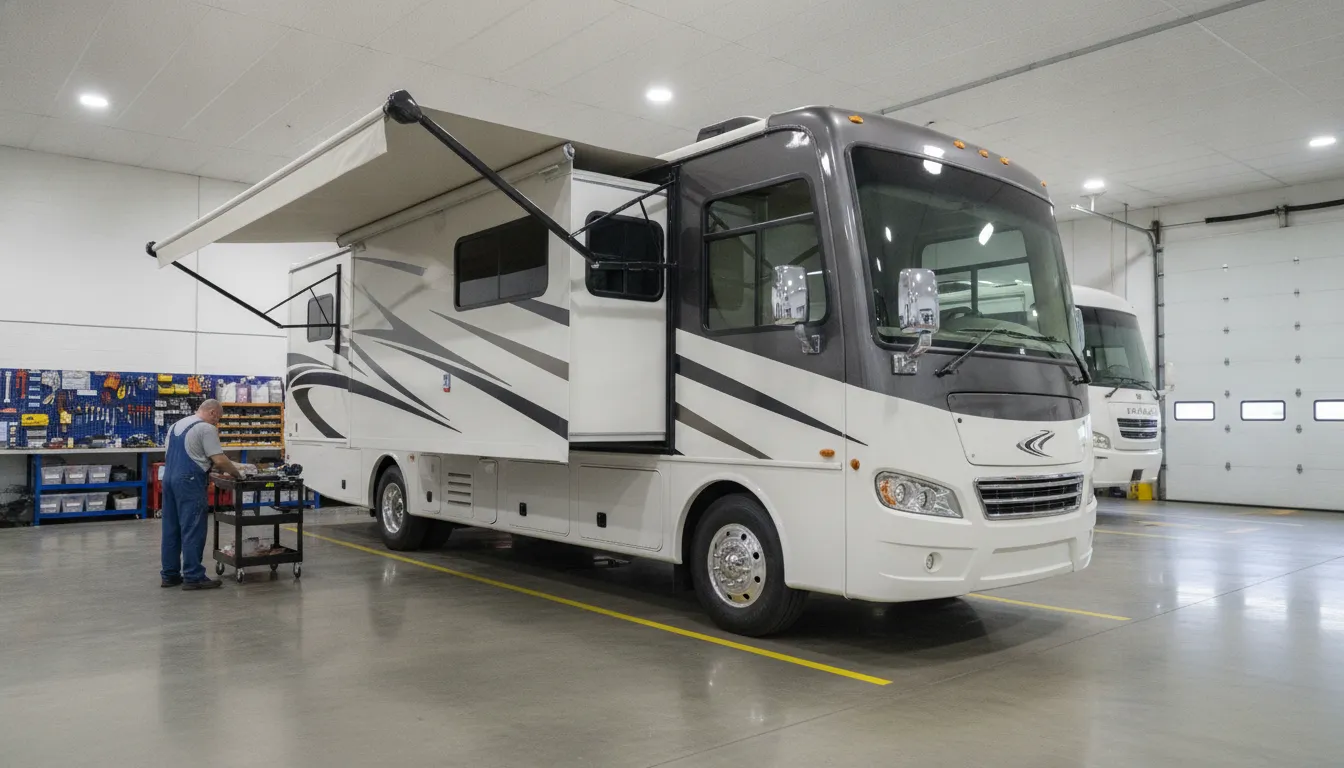
Any covered slide roof receives less direct sun than an uncovered roof. That shade may reduce heat at the roof surface, but it should not replace insulation or air conditioning. The larger difference is what takes the sun exposure: the roof, a fabric sheet, or solid topper panels.
Standard fabric toppers can flap, sag, and fail as they age. A TrueTopper slide topper uses a solid-cover approach instead of exposed topper fabric. This removes fabric tearing and sagging from the maintenance list. The slide, seals, mounting points, and topper system still need regular checks.
Less manual roof cleaning
Without a topper, owners often need to inspect the slide roof before every retraction. Leaves or small branches may require a ladder or roof access to remove. A cover reduces direct buildup on that roof, which can make departure checks faster and safer.
No topper makes a slide maintenance-free. Owners should look for caught branches, damaged parts, loose hardware, and signs of water entry. If the room binds, moves unevenly, or will not seal, stop and protect your slide outs by finding the cause before repeated operation.
When is a TrueTopper worth installing?
Signs that fabric toppers are no longer working
A TrueTopper slide topper is worth considering when fabric toppers keep tearing, sagging, or flapping. Replacing the same failed part again may only restart the cycle. Owners seeking a more robust, permanent approach can review how TrueTopper Slide Tops protect the slide roof.
Water near a slide is another reason to inspect the full system. A topper can help keep water and debris off the roof, but it will not repair a bad seal. Check seals, roof edges, alignment, and the slide mechanism before choosing an upgrade.
Travel conditions and maintenance burden
Debris-heavy campsites can make slide care a chore. Leaves, twigs, and dirt may collect above an extended room before departure. A TrueTopper can suit owners who are tired of climbing up to clean each slide before bringing it in.
Long stays in the Texas, Oklahoma, or Arkansas heat also make durable slide protection appealing. Consider how often the rig sits exposed and how often current toppers need attention. Owners can also use this guide to protect your slide outs when checking for related faults.
The upgrade often makes more sense for frequent travelers, full-time RVers, and owners who plan to keep their rig. It can also fit a high-value coach where reliable protection matters more than the lowest upfront cost. The goal is less repeated repair work and simpler slide care.
Fit, value, and a useful quote
Before buying, compare the upgrade with your RV's age, condition, and expected years of use. The Texas Department of Motor Vehicles RV buyer guide advises owners to research product quality, upkeep, seller reputation, options, and pricing. That same review helps when weighing a slide topper upgrade.
Cost varies because rigs have different slide counts and slide sizes. Installation needs may also differ after the existing toppers and slide roofs are inspected. A useful quote should match the actual rig, not a generic online price.
Call for a quote when repeated fabric failures, cleanup, or slide protection concerns outweigh the value of another basic replacement. Have the RV year, make, model, and number of slides ready. Photos of each slide and current topper can help start the discussion.
How should slide topper installation fit your slide system inspection?
A TrueTopper slide topper protects the room roof, but installation should begin with the slide system beneath it. A topper cannot correct a room that moves unevenly, strains, or fails to seal. Inspecting the full assembly first helps separate a topper need from an active slide problem. It also gives the installer a sound baseline for fit and operation.
Inspection before installation
Begin with the room fully closed. Inspect the upper seal, side seals, and lower sweep for gaps, tears, or hard spots. Open and close the room while watching each seal make and release contact. Watch for seals that fold the wrong way, drag, or leave part of the opening exposed.
The rollers and support points also need attention. A worn roller can let one edge sit low or make the room hesitate during travel. Look for scuffs, uneven wear, loose hardware, and marks that suggest the room is rubbing. Any mark that returns after cleaning may reveal a fit or alignment issue.
This wider review follows sound RV ownership practice, not just topper procedure. A Texas DMV consumer guide tells owners to research products, options, upkeep, builder reputation, and pricing before buying an RV. The same care helps when planning a topper upgrade around an existing slide system.
Signals from seals and alignment
Alignment must be checked through the room's full path. The top and bottom edges should move together, and the room should seat evenly when closed. Listen for grinding, popping, repeated clicking, or a motor that changes pitch under load. These signs point to a slide issue that deserves attention before topper installation.
Seals tell part of the same story. A crushed area can show where the room sits out of square. A loose corner may point to poor contact rather than a failed topper alone. For a practical review of common symptoms, use this guide to protect your slide outs before choosing the installation scope.
Mechanism-specific repair planning
The installer should identify the slide mechanism before approving the work. Schwintek systems may show uneven movement, track wear, or poor synchronization. Other systems can have roller, cable, hydraulic, or motor concerns that change the repair plan. Naming the system helps the shop inspect the right parts and test the room in the right way.
If inspection finds a repeated Schwintek-related problem, adding a topper should not be the only response. The room may need repair or a different long-term plan first. Patriots RV Services can assess whether Vroom Slide Systems fit the coach and the pattern of failure. That decision should come from the room's condition, measurements, and travel behavior.
After any needed slide work, the installer can set the TrueTopper slide topper around a room that moves and seals as intended. The final check should include full extension, full retraction, seal contact, and clearance around the topper parts. That order reduces guesswork and keeps the topper installation tied to the health of the whole slide system.
How should you maintain a TrueTopper slide topper?
A TrueTopper slide topper reduces common fabric awning problems, but the slide room still needs regular care. A quick check before travel can catch debris, seal wear, or a change in slide movement.
Make these checks part of your normal setup and pack-up routine. The Texas Department of Motor Vehicles advises RV buyers to research upkeep needs as well as product quality.
A five-step owner check
Inspect the seals. Look along the top and sides for dirt, folds, cracks, gaps, or loose sections. Check that each wipe seal sits in its usual position before moving the room.
Clean the slide sides. Remove grit, leaves, twigs, and sticky residue with products approved for your RV surfaces. Clean sides help the seals wipe smoothly and reduce needless wear.
Check after storms or tree cover. Walk around the slide after high wind, heavy rain, or a shaded campsite stay. Look for lodged branches, pooled debris, or anything that could block movement.
Listen while the slide moves. Stop if you hear grinding, scraping, popping, or a new strain from the motor. Watch both sides so you can spot uneven travel or binding early.
Schedule service when operation changes. Do not keep cycling a slide that moves slowly, sits unevenly, or stops without warning. A trained technician can check alignment, seals, drive parts, and the topper system.
Do each check with the RV parked safely and the slide area clear. Never place hands near moving seals, rails, or drive parts while another person runs the controls.
What deserves a closer look?
The system should move with a steady sound and follow the same path each time. A new noise, visible rub mark, or seal that repeatedly rolls inward deserves attention.
Do not force the room past resistance. Instead, note where the change starts and whether one side moves before the other. Those details can help a technician trace the cause without repeated slide cycles.
The fixed aluminum design handles wind differently from a fabric awning, yet debris can still collect around the slide. Review the TrueTopper slide topper system before choosing cleaners or trying an adjustment.
When professional service makes sense
Owner care should focus on safe cleaning and visual checks. Binding, loose hardware, damaged seals, leaks, or a change in alignment call for a shop inspection. These issues may involve more than the topper itself.
Early service can keep a small concern from placing more strain on slide parts. It also gives the shop a chance to inspect the full room movement and confirm that seals contact evenly.
If slide operation changes, avoid guessing at the cause or making repeated adjustments. Patriots RV Services can inspect the system and help protect your slide outs with a clear repair plan.
How TrueTopper works with Vroom Slide System repairs and upgrades
A TrueTopper slide topper and a Vroom Slide System serve separate parts of the same slide-out. The topper guards the roof surface, while Vroom repairs or upgrades the parts that move the room. Pairing them can reduce two different sources of slide trouble without treating either product as a cure-all.
What each system does
A TrueTopper slide topper sits above the slide room and helps keep water, debris, and UV exposure off its roof. This protection limits the material that can collect on top while the room is extended. It focuses on the exposed roof, seals, and the area where outside debris can enter.
A Vroom system addresses how the slide room moves in and out. A repair can target poor travel, uneven movement, or failure in the slide mechanism. An upgrade may also make sense when an owner wants a more dependable approach to slide operation. Patriots RV Services can inspect the room and explain whether Vroom Slide Systems fit the RV and the problem.
Why one does not replace the other
A topper cannot fix a slide that binds, tracks poorly, or will not move. In the same way, a sound drive system cannot stop leaves, rain, or grit from reaching the slide roof. Each system has a clear job, so the right choice depends on what is failing or at risk.
This distinction matters during diagnosis. A wet seal or dirty roof may point to a protection issue, while rough travel may point to a mechanical issue. Some symptoms can overlap, so a full inspection should come before parts are selected. The Texas Department of Motor Vehicles advises RV owners to research products, upkeep, options, and sellers before making a purchase.
A complete slide-out reliability plan
A complete plan starts with the slide room, roof, seals, alignment, and drive parts. The technician should first find current damage and then note the risks that could cause another failure. That review helps separate urgent repairs from upgrades that protect the slide over time.
- Use TrueTopper when the main goal is better roof protection and less exposure to debris.
- Consider Vroom repairs or upgrades when the slide mechanism has movement or reliability concerns.
- Check seals, roof condition, and slide travel before choosing either system.
- Keep normal inspections in the plan after the work is complete.
Installing both systems can create a more complete approach when the RV needs protection above and dependable movement below. The best plan still begins with the actual condition of the slide. It should match the RV, its use, and the owner's long-term repair goals.
Frequently Asked Questions
How much does a TrueTopper slide topper cost?
TrueTopper slide topper pricing depends on the number and size of your RV slide-outs, installation needs, and any required preparation. Ask an authorized installer for a written quote based on your specific RV. The quote should explain the system, labor, and any additional work needed before installation, so you can compare the full project cost accurately.
Are TrueTopper slide toppers worth the money?
A TrueTopper slide topper may be worthwhile for owners who want to replace a fabric topper that flaps, sags, or repeatedly needs repair. Its one-piece aluminum design avoids the exposed fabric used by traditional awning-style toppers. The system also helps protect the slide roof from water and debris, which can reduce cleaning before retraction.
How does a TrueTopper slide topper protect an RV slide-out?
A TrueTopper slide topper covers the slide-out roof and uses an integrated third wipe seal as the room moves. According to True Topper USA, its stable, one-piece component avoids the flapping, noise, and drag associated with awning-style toppers. Keeping debris and water off the roof also helps protect seals and slide mechanisms.
Can a TrueTopper replace an existing fabric slide topper?
Yes, a TrueTopper can replace a failing or damaged fabric slide topper when the RV and slide-out are suitable for the system. A qualified installer should inspect the slide roof, seals, clearances, and mounting areas first. That inspection identifies existing damage or preparation work and confirms whether the TrueTopper slide topper can operate correctly on the specific RV.
How long does TrueTopper slide topper installation take?
Installation time varies with the number of slide-outs, their sizes, and the condition of the RV. Existing topper removal, damaged seals, or slide-roof repairs may extend the job. Ask the installer for a schedule after the inspection. Plan for the RV to remain at the service facility until installation and operation checks are complete.
Ready to protect your RV slide outs for the long haul?
Waiting to address worn or failing slide toppers can leave your slide outs exposed to water, debris, and sun damage between trips and during storage. Starting now gives you time to choose the right TrueTopper solution and arrange a precision installation before your next planned RV trip. You can protect key slide-out components, reduce avoidable repair risks, and travel with greater confidence on every trip you take.
Do not wait until damaged fabric or trapped debris creates a more urgent service need. Ready to protect your RV slide outs? Call (940) 488-5047 to schedule a TrueTopper slide topper consultation with Patriots RV Services.