
How Many Watts of Solar Power Does My RV Need?
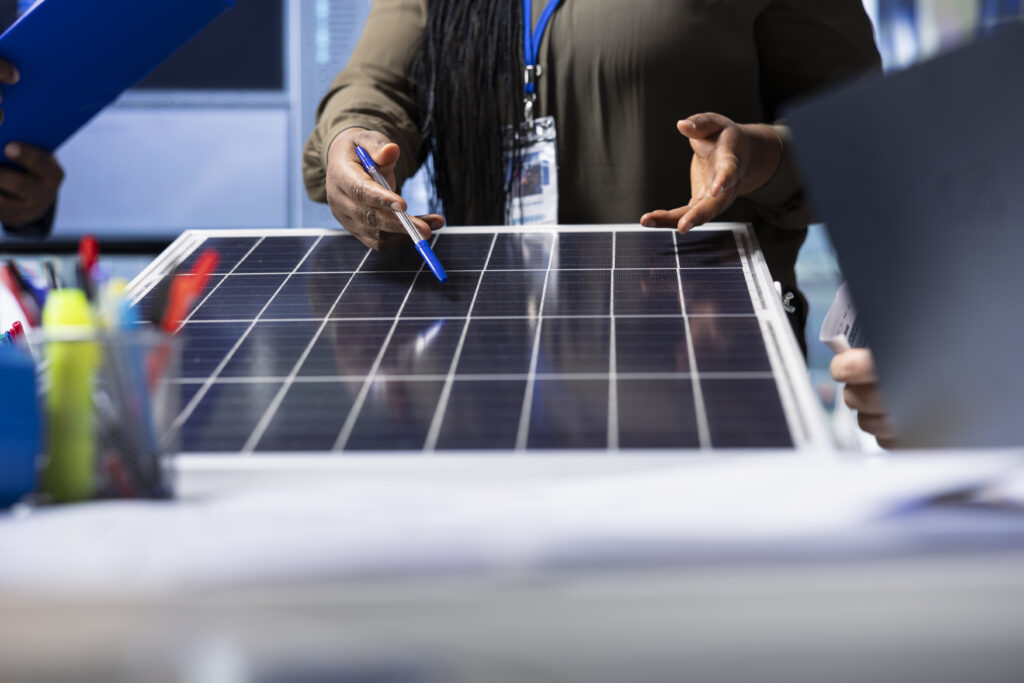
Figuring out how much solar power your RV needs starts with looking at how you actually use electricity on the road. Think about your appliances, how long you run them, and the type of batteries you have. Some people even get advice from an expert RV body shop in Denton to make sure the installation will be safe and reliable. It’s not just about adding panels; you need to check wattages, daily usage, and leave a little extra room for inefficiency. The right deep-cycle batteries and a pure sine wave inverter are key to keeping everything running smoothly. Planning carefully will save headaches later.
Factors Affecting Solar Power Needs
How much solar you need really depends on your habits. If you run a lot of power-hungry stuff, like air conditioners or microwaves, you’ll need more panels. If you mostly camp without running much, you can get by with less. How often you stay off-grid and how long also matter. Batteries make a difference too, lithium ones can go deeper between charges than lead-acid types, which can reduce how big your panel setup needs to be. Thinking through these points gives you a better idea of what kind of system will actually keep up with your lifestyle.
Understanding Your RV’s Energy Consumption
To size your system, you need to know what your RV actually draws. Check all your appliances, lights, fridge, microwave, TV, and small electronics. Estimate how many hours each runs per day to get a total. Don’t forget the “phantom” loads, devices that draw a little power even when off. Taking the time to add all of this up gives you a real picture of your RV’s energy needs so you don’t end up with too small or overly large a system.
Calculating Solar Panel Wattage
Once you know your daily usage, you can figure out the panel size. Factor in how much sunlight you usually get where you park, and account for shading, dust, and angle. Panels should be slightly bigger than the minimum you calculate to make sure your batteries charge even on cloudy days. Extra wattage is a safety net that makes your system more reliable.
Battery Capacity Considerations
Batteries store the solar energy for when you need it. Deep-cycle types like AGM or lithium are usually best because they handle repeated discharges without damage. Calculate your daily power needs, add a buffer for cloudy days, and make sure the total capacity matches your usage. Correct sizing keeps you from running out of power and protects your batteries over time.
Inverter and Converter Requirements
Inverters and converters let your devices run on the electricity your panels generate. A pure sine wave inverter is safer for sensitive electronics, and it should be rated for at least the total wattage of devices you might run at the same time. Converter efficiency matters too, less waste means more usable power. Using the right equipment ensures your system works properly and keeps your RV powered up reliably.
Tips for Optimizing Solar Power Efficiency
There are a few simple ways to get more from your panels. Place them where they get the most sunlight, and clean them regularly. Energy-efficient appliances and LED lights reduce your power draw, and a battery monitor helps you track usage. Tilt mounts can adjust the panels seasonally to catch more sun. These small steps make a big difference and keep your RV powered without worry.
Related Topics:
- What Size Solar Panel Do You Need for Your RV Battery
- How to Charge an RV Battery Using a Solar Panel