
Nothing is more unsettling than the smell of burning plastic or the sound of a buzzing breaker in your RV. Electrical problems aren’t just inconvenient; they can be genuinely dangerous, posing a risk of fire or electric shock. Your safety on the road depends on a healthy electrical system. This article is designed to help you recognize the serious red flags that demand immediate professional attention. We will cover the warning signs you should never ignore, explain the importance of a proper diagnosis, and outline why a certified RV electrical system repair is crucial for protecting your investment and ensuring your peace of mind.
Key Takeaways
- Identify Common Problems: Pay attention to symptoms like flickering lights, dead outlets, or batteries that fail to charge, as these often point to specific issues with your converter, wiring, or power source.
- Know When to Call a Pro: Basic troubleshooting like checking breakers and your power source is a good first step, but serious red flags like burning smells, sparks, or persistent buzzing sounds require immediate professional attention for your safety.
- Prevent Future Issues: You can avoid many costly repairs with proactive measures. Installing a surge protector, using a battery monitor, and considering upgrades like a solar system can protect your RV’s electronics and enhance your travel experience.
What Are Common RV Electrical Problems?
Nothing brings a fun trip to a screeching halt faster than an electrical problem. One minute you’re enjoying the comforts of your home-on-wheels, and the next you’re sitting in the dark. RV electrical systems are complex, with two separate systems (12-volt DC and 120-volt AC) working together. When something goes wrong, it can be tricky to pinpoint the source. Understanding the most common issues is the first step toward getting things running smoothly again. From flickering lights to batteries that won’t hold a charge, these problems are often signs of an underlying issue that needs attention.
Flickering Lights and Dead Outlets
Flickering lights and dead outlets are classic signs that something is amiss with your RV’s electrical system. While it could be as simple as a loose bulb, it often points to a deeper issue. These symptoms can indicate a poor connection somewhere in the circuit, a problem with your power source, or a failing converter. If you notice that outlets aren’t working or your lights are dimming and flickering, it’s your RV’s way of telling you it needs a check-up. Ignoring these early warnings can lead to bigger headaches down the road, so it’s best to investigate the cause before a small annoyance becomes a major repair.
Battery Charging and Failure Issues
Your RV’s 12-volt battery system powers everything from your lights and water pump to your slide-outs when you aren’t connected to shore power. Battery problems are incredibly common and can stem from several causes. Batteries can fail simply due to age, but they can also be damaged by improper charging, whether it’s being overcharged or not charged enough. Using the wrong size or type of battery for your rig can also lead to poor performance and a shortened lifespan. If your battery just won’t hold a charge, it might be time for a replacement or an upgrade to a more robust solar and off-grid system.
Faulty Converters and Inverters
Your RV’s power converter and inverter are essential for managing your electricity. The converter takes 120-volt AC power from a campground hookup and changes it to 12-volt DC power to run your lights and charge your batteries. A faulty converter can fail due to power surges, moisture, or simply old age. On the other hand, an inverter does the opposite, turning 12-volt DC power from your batteries into 120-volt AC power for appliances like your microwave or TV. If you notice that certain appliances only work when you’re plugged in, or your batteries aren’t charging correctly, a failing converter or inverter could be the culprit.
Wiring Problems and Frequent Blown Fuses
Constantly replacing blown fuses or resetting tripped circuit breakers is a major red flag. These safety devices are designed to protect your RV from overloads and short circuits, so if they’re tripping frequently, there’s a serious underlying problem. The issue is often related to the wiring itself. The constant vibration from travel, exposure to moisture, or even rodents chewing on wires can cause damage. These wiring problems can lead to short circuits or inconsistent power flow. Because of the fire risk associated with faulty wiring, this is one area where you should always call for professional RV services and repairs instead of attempting a DIY fix.
DIY Fix or Professional Repair?
When your RV’s electrical system starts acting up, it’s tempting to try and fix it yourself. While some issues have simple solutions, electrical work can be dangerous if you don’t know what you’re doing. Knowing the difference between a quick fix and a serious problem is key to staying safe on the road. Before you break out the toolbox, it’s important to assess the situation. Some basic troubleshooting can help you identify the source of the problem, but certain red flags mean you should step away and call a professional immediately. Your safety is always the top priority.
What to Check Before You Call for Help
If you’re comfortable with basic troubleshooting, there are a few things you can check before calling for backup. These simple steps can sometimes solve the problem or at least give you more information to share with a technician. Remember, if you feel unsure at any point, it’s always best to stop and contact an expert.
Check Your Power Source
First, confirm that your power source is actually working. Whether you’re connected to shore power at a campground, running on your generator, or using your battery bank, a problem with the source will affect everything inside your RV. Make sure your RV is properly plugged in, the pedestal breaker isn’t tripped, and your generator has fuel. If you’re on battery power, check that the batteries have a sufficient charge. It seems simple, but it’s a common oversight.
Inspect Breakers, Fuses, and GFCI Outlets
Next, take a look at your RV’s main electrical panel. Check your circuit breakers and fuses to see if any have tripped or blown. You can reset a tripped breaker by flipping it off and then on again. If a fuse is blown, you’ll need to replace it with a new one of the same amperage. Also, check your GFCI outlets, which often have their own reset buttons. Keep in mind that if breakers or fuses keep tripping, it’s often a sign of a bigger problem.
Use a Multimeter to Test Voltage
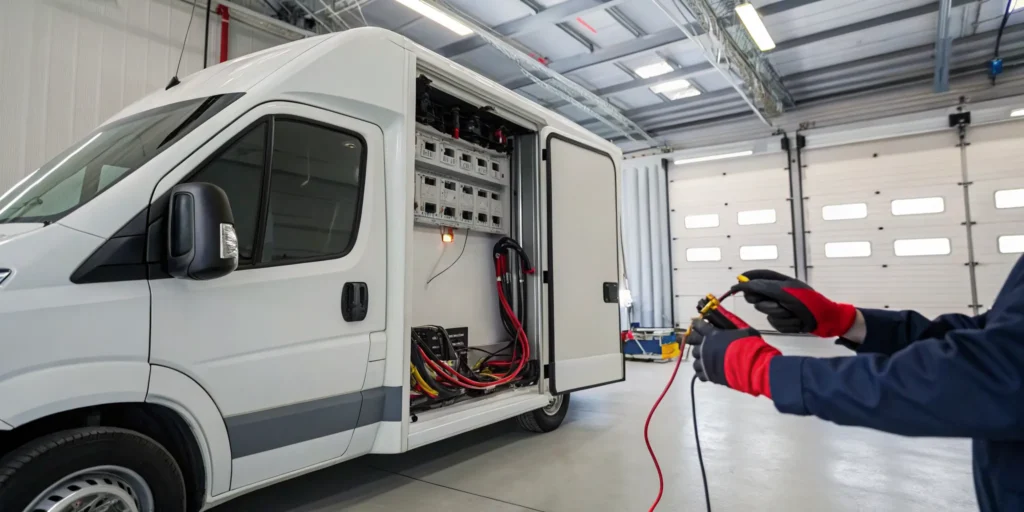
If you’re comfortable using one, a multimeter is a great tool for diagnosing electrical issues. This device helps you check for proper voltage at outlets, appliances, and your battery terminals. It can confirm whether electricity is flowing correctly and help you pinpoint where a connection might be failing. Following the multimeter’s instructions, you can test different parts of your system to see where the power stops, which can help narrow down the source of the problem.
Red Flags That Require a Professional
Some electrical issues are not DIY-friendly. These red flags are serious warnings that you need to stop what you’re doing and call for professional help. Attempting to fix these problems on your own can lead to electric shock, fire, or further damage to your RV’s systems.
Exposed Wires, Sparks, or Burning Smells
If you see exposed or frayed wires, notice any sparks, or smell something burning (like melting plastic), treat it as an emergency. These are clear signs of a dangerous electrical fault. Do not touch anything. Turn off the main power source if you can do so safely, and call a certified RV technician right away. Trying to fix this yourself is extremely hazardous and not worth the risk.
Persistent Breaker Trips or Inconsistent Power
A circuit breaker that trips once might just be a fluke. But if your breakers keep tripping or your fuses repeatedly blow, it signals a serious underlying issue that a professional should handle. This could be a short circuit, an overloaded circuit, or a faulty component. Ignoring this problem can lead to significant damage. Our team can perform diagnostics to find the root cause and ensure your system is safe for general RV services and repairs.
Unusual Buzzing or Humming Sounds
Your electrical panel should operate silently. If you hear any buzzing, humming, or popping sounds coming from your breakers or outlets, it’s a major warning sign. These noises can indicate a loose connection or a failing component that is arcing, which creates a serious fire hazard. This problem requires immediate attention from a qualified professional who can safely inspect and repair the faulty wiring or breaker.
What to Expect During an RV Electrical Repair
When you bring your RV to a professional for electrical work, the process is much more than a quick fix. A qualified technician follows a systematic approach to ensure every issue is found and resolved safely. From initial diagnostics to final testing, the goal is to get your rig’s electrical system back in top shape so you can travel with confidence. Knowing what the repair process involves can help you feel more prepared and understand the value of expert service. The technician will not only address the immediate problem but also look for underlying issues to prevent future headaches on the road.
Diagnostics and Safety Inspections
The first step in any professional electrical repair is a thorough diagnostic and safety inspection. A technician will start by listening to your description of the problem and then begin a systematic check of your RV’s entire electrical system. This isn’t just about finding a blown fuse; it’s about understanding the root cause. They will investigate common culprits like an overloaded electrical system, battery issues, faulty power converters, or wiring problems. This comprehensive inspection is crucial for safety, as it can uncover hidden dangers like inadequate grounding or frayed wires before they become serious hazards. By pinpointing the exact source of the trouble, the technician ensures the repair is effective and long-lasting.
Battery Replacement and Wiring Repairs
Once the problem is diagnosed, the hands-on repair work begins. This can involve a wide range of tasks depending on the issue. Technicians are equipped to handle many common electrical problems, from fixing flickering lights and non-working slide-outs to repairing water pumps and fans. If the issue lies with your power supply, they can perform battery replacements and fix damaged wires or blown fuses that cause power cuts. These types of general RV services and repairs are fundamental to getting your rig running smoothly again. A professional will ensure all connections are secure and properly insulated, restoring safe and reliable power to all your RV’s components.
Inverter, Converter, and Solar System Services
Your RV’s electrical system relies on key components to manage power, and a technician can service all of them. They can repair or replace inverters, which change DC battery power to AC power for your household appliances, and converters, which do the opposite to charge your batteries when you’re plugged into shore power. If you have a solar setup, their expertise extends to servicing those systems as well. Whether it’s a malfunctioning panel or a problem with the charge controller, a specialist can diagnose and fix the issue. Properly functioning solar and off-grid systems are essential for anyone who enjoys camping away from traditional hookups, and professional service keeps them performing at their best.
Off-Grid and Solar Electrical Upgrades
A visit for an electrical repair can also be an opportunity for an upgrade. Beyond fixing what’s broken, a technician can recommend and install systems that improve your RV’s electrical performance and protect it from future damage. For example, they can install a surge protector to shield your sensitive electronics from faulty power at campgrounds. If you’re looking to spend more time off-grid, this is the perfect time to discuss RV solar and boondocking solutions. Upgrading to a robust solar power system with lithium batteries can give you the freedom to camp wherever you want without sacrificing comfort. These upgrades not only enhance your travel experience but also add significant value to your RV.
Understanding RV Electrical Repair Costs
Let’s talk about one of the biggest questions on every RV owner’s mind when something goes wrong: what is this going to cost? Electrical repair costs can feel unpredictable, but understanding the variables will help you feel more in control. The final price depends on the complexity of the issue, the parts needed, and the time it takes to get the job done right. A simple diagnostic check will cost less than a complete rewiring project, for example. The key is to address problems as soon as you spot them. Waiting often allows a small issue to become a much larger, and more expensive, headache. Getting a clear, professional diagnosis is the first step toward understanding the scope of the work and the associated costs for your specific situation.
Typical Costs by Repair Type
The cost of an RV electrical repair varies widely depending on what needs to be done. For instance, a basic diagnostic visit to figure out why your lights are flickering might run between $75 and $200. If you need a more thorough safety inspection to check all the wiring and components, you could be looking at $300 to $500 or more. Replacing a faulty converter or inverter will have its own costs based on the price of the unit and the labor involved. Remember, these are just ballpark figures. The only way to get an accurate price is to have a qualified technician inspect your RV and provide a detailed estimate for the specific repairs you need.
Factors That Affect the Final Price
Several key factors can influence the final bill for your electrical repair. The age and size of your RV play a big role, as older or larger models can have more complex or outdated systems that are harder to work on. The current condition of your wiring is another major consideration; brittle or poorly maintained wires may need more extensive replacement. How difficult it is for a technician to access the problem area also impacts labor time. Finally, the scope of the inspection and the specific parts required will be factored into your quote. A transparent technician will walk you through these factors so you understand exactly what you’re paying for.
How to Prevent Costly Electrical Repairs
The best way to manage repair costs is to prevent them in the first place. Being proactive about your RV’s electrical health can save you a significant amount of money and stress down the road. If you notice anything unusual, like flickering lights, outlets that stop working, or breakers that trip frequently, it’s best to get it checked out right away. Addressing these small warning signs early can stop them from turning into major system failures. Regular maintenance and a few smart upgrades are your best defense against unexpected and expensive electrical problems, keeping your travels safe and smooth.
Surge Protectors
Think of a surge protector as an insurance policy for your RV’s entire electrical system. When you plug into a power pedestal at a campground, you’re trusting that the power source is stable. Unfortunately, that isn’t always the case. Power surges or faulty wiring at a campsite can send a damaging jolt through your rig, frying sensitive electronics and appliances. A quality surge protector plugs in between the power post and your RV, absorbing any dangerous spikes and protecting your valuable equipment from bad power.
Battery Monitors and Chargers
Your RV’s batteries are the heart of your 12-volt system, so keeping them healthy is essential. A battery monitor gives you a real-time look at your battery’s charge level, health, and usage, so you’re never caught by surprise with a dead battery. Proper charging is just as important. Using smart chargers and having your system checked periodically ensures your batteries last longer and perform reliably. This includes testing, charging, and knowing when it’s time for a replacement, including considering efficient lithium upgrades.
Solar Panels and Lithium Battery Upgrades
Investing in your RV’s power system not only makes your travels more enjoyable but can also prevent future issues. Adding solar and off-grid solutions reduces the strain on your converter and batteries when you’re not plugged into shore power. Upgrading to lithium batteries offers a longer lifespan, more consistent power, and less maintenance than traditional lead-acid batteries. These upgrades create a more robust and reliable electrical system, giving you the freedom to explore with confidence.
How to Choose the Right RV Electrical Pro
Finding the right professional for your RV’s electrical system is just as important as correctly diagnosing the problem. You’re not just looking for a mechanic; you’re looking for a trusted partner to keep your home-on-wheels safe and functional. When it comes to complex wiring, batteries, and power systems, you want to be sure the person working on your rig has the right skills, stands by their work, and has a solid reputation. Taking a little time to vet your options can save you from major headaches and costly re-dos down the road.
Your RV’s electrical system is its nerve center, powering everything from the lights and air conditioning to the refrigerator and slide-outs. It’s a complex blend of automotive 12-volt DC power and residential 120-volt AC power, which means not just any electrician or mechanic will do. You need a specialist who understands the unique demands and potential pitfalls of these mobile systems. Choosing the wrong person can lead to more than just a faulty repair; it can create serious safety hazards, like fire risks or permanent damage to your appliances and electronics. A qualified technician doesn’t just fix the immediate issue. They understand how all the components work together, from the shore power connection to the battery bank and inverter, ensuring the entire system is safe, reliable, and efficient. This is why doing your homework upfront is so critical.
Look for Certifications and Specialized Training
When you’re searching for an RV electrical technician, start by looking for proof of their expertise. RV electrical systems are unique hybrids, so you need a specialist, not a generalist. Look for shops whose technicians are specifically trained in RV electrical systems. Certifications from major industry players like Lippert or RV-specific technical schools are a strong indicator that the team is up-to-date on the latest technology and safety standards. Choosing a certified professional ensures your RV is in the hands of someone who truly understands its intricate electrical needs, from basic wiring to complex solar and off-grid setups. This specialized knowledge is non-negotiable for a safe and effective repair.
Confirm Insurance, Warranties, and Clear Pricing
Before you hand over your keys, make sure you understand the business side of the repair. A reputable shop will be fully insured, protecting your RV while it’s in their care. You should also ask about warranties. A quality service provider will offer a warranty on their labor and pass along any manufacturer warranties for the parts they install. This shows they are confident in their work and the products they use. Finally, insist on pricing transparency. While unexpected issues can arise, the shop should provide a clear, detailed estimate upfront and communicate with you before performing any additional work. This commitment to honest pricing is a hallmark of a trustworthy RV service and repair center.
Check Customer Reviews and Local Reputation
In the RV community, word travels fast. Before committing to a repair shop, take a few minutes to see what other RV owners are saying. Read online reviews and testimonials to get a feel for the customer experience. Look for comments that mention honesty, reliability, and good communication. A business that aims to “build friendships with customers and provide honest help” is one that prioritizes satisfaction over a quick buck. A long-standing presence in the local community, especially in an area like Denton, TX, is also a great sign. A strong local reputation is built one successful repair and one happy customer at a time, showing a long-term commitment to quality and service.
Related Articles
- How to Test RV Battery: Troubleshooting Your RV Power System
- Understanding Why Is My RV Battery Not Charging While Plugged In
- Do I Need a Battery If My RV Is Plugged In: Exploring Power Needs for RVs
- How to Charge an RV Battery Using a Solar Panel
Frequently Asked Questions
Is it really that risky to try and fix my RV’s electrical issues myself? While it’s smart to do some basic checks, like making sure you’re plugged in correctly or resetting a GFCI outlet, electrical work can get dangerous quickly. Your RV has two different electrical systems working together, which adds a layer of complexity. If you see sparks, smell burning plastic, or have breakers that keep tripping, it’s time to step away. These are serious red flags that point to a problem needing a professional touch to avoid fire hazards or personal injury.
What’s the single best thing I can do to prevent electrical problems? If I had to pick just one thing, it would be to use a quality surge protector every single time you plug into shore power. Think of it as a shield for your RV. You never know what kind of power you’re getting from a campground pedestal, and a sudden surge can destroy your appliances and sensitive electronics. A surge protector is a relatively small investment that protects you from thousands of dollars in potential damage.
Why can’t I get a flat rate for an electrical repair over the phone? Electrical problems are a bit like a mystery. A symptom like a dead outlet could be caused by something simple, or it could be a sign of a much deeper issue in the wiring. A good technician needs to perform diagnostics to trace the problem to its source. The final cost depends on that diagnosis, the price of any needed parts, and the time it takes to complete the repair safely. An upfront estimate without an inspection would just be a guess.
When should I consider upgrading my electrical system instead of just repairing it? A repair visit is the perfect time to think about your long-term travel goals. If you find yourself constantly managing power or wishing you could camp for longer periods without hookups, an upgrade might make more sense than a simple fix. For example, if your batteries are failing, you could just replace them, or you could upgrade to a more robust solar and lithium battery system that gives you true off-grid freedom.
My RV’s electrical problem seems minor. Does it really matter who I hire to fix it? Yes, it absolutely matters. Even a “minor” issue like a flickering light can be a symptom of a larger, hidden problem. RV electrical systems are not the same as the wiring in your house. You need a technician who is specifically trained to work on them. Hiring a certified RV specialist ensures they understand the unique challenges and safety standards, so the job gets done right the first time, keeping you and your rig safe.