
PRVS Blog
Can Solar Power Keep Your RV Running: Exploring the Possibilities
Patriots RV Services · 2025-12-11
Can Solar Power Keep Your RV Running: Exploring the Possibilities
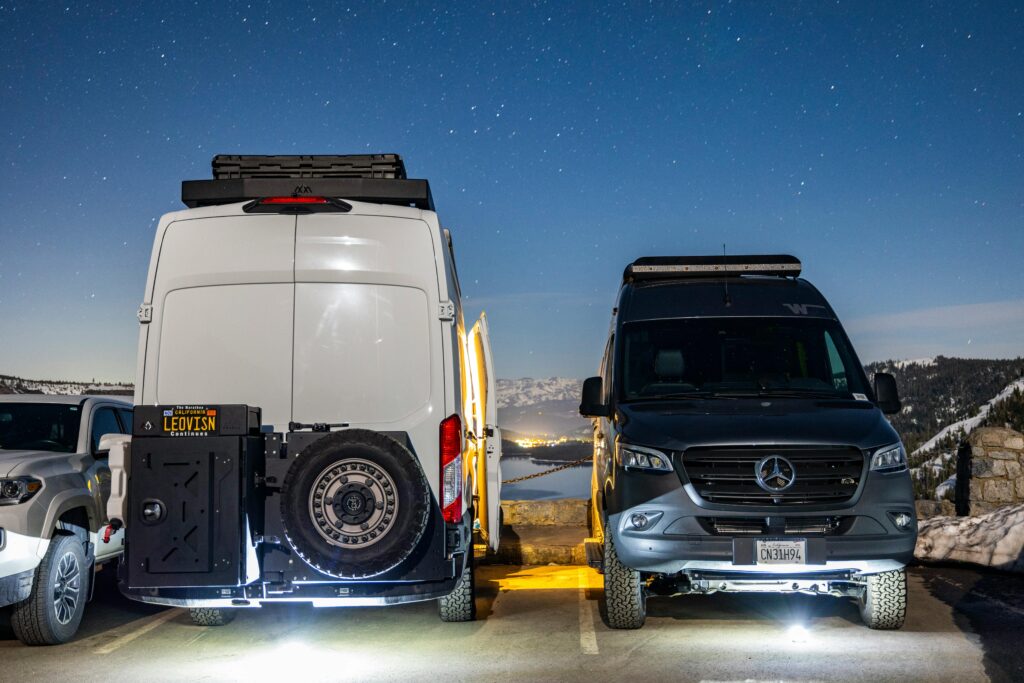
Solar power for RVs is something a lot of people think about, especially when you want to escape the campgrounds and just go. It’s not as simple as throwing panels on the roof. You have to think about how much electricity you actually use, where the panels will get sun, and how everything will hold up while you’re driving down the highway.
Some RV owners call in reliable mobile RV repairs in Denton just to be sure the wiring, batteries, and panels are all set up safely. Once you have it right, sunlight can keep your lights on, your fridge running, and your devices charged without worrying about a noisy generator. It’s convenient, quiet, and a little freeing knowing the sun does the work for you.
Advantages of Solar Power for RVs
The freedom is probably the biggest draw. No more hunting for power hookups or listening to a generator hum in the middle of the night. Panels on the roof turn sunlight into electricity, charging your batteries so you can use lights, appliances, and gadgets wherever you park. It’s cleaner than fuel-powered generators, quieter, and over time, it can save a little money too. Even if your system isn’t huge, it can cover basic needs and make off-grid living way more comfortable.
Choosing the Right Solar Panels
Picking panels isn’t always straightforward. Space on a roof is limited, and you want something that actually produces enough energy. Some panels are more efficient than others, squeezing more electricity out of the same sunlight. Durability matters too, you don’t want panels cracking from a little bump or heavy rain.
And the voltage has to match your RV’s system, or it won’t work properly. Monocrystalline panels usually give more power for the space, while flexible panels can curve over vents or odd roof shapes. It’s a balance of efficiency, fit, and durability, and sometimes the smallest detail can make a difference.
Installation Tips and Tricks
Where you put your panels is key. They need to be in the sun most of the day and away from shadows caused by vents, antennas, or trees. Mount them firmly so they won’t shift when the RV is moving. Wiring has to be secure and protected, because loose wires are trouble waiting to happen. A charge controller helps prevent overcharging your batteries, which is worth the investment.
Some people even add tilt mounts so the panels can follow the sun a bit more closely. Seal everything properly so the roof stays dry. And yeah, cleaning the panels matters; you’d be surprised how much dust can reduce their output. Little things like these add up.
Maximizing Energy Efficiency on the Road
Energy use is just as important as panel size. LED lights consume far less power than older bulbs, and energy-efficient appliances keep everything running longer on battery. Watching how much power you use and when helps a lot. You might notice some devices drawing energy even when you don’t need them. Timers or smart strips can help, but even keeping an eye on usage can prevent wasted electricity. Small tweaks in behavior often make a bigger difference than a bigger panel.
Overcoming Common Solar Challenges
There are bumps along the way. Shadows, dirt, or leaves on the panels reduce output. Batteries can’t always store enough for cloudy days. Sometimes, a generator backup is just easier. Adjusting panel angles or cleaning regularly can solve small problems. The idea is to know what might go wrong and handle it before it becomes a bigger issue.
Future Innovations in RV Solar Technology
The future looks interesting. Flexible panels might make it easier to cover curved surfaces, smarter batteries could store more power in less space, and energy management systems might automatically balance loads without much thought. Who knows, maybe someday, entire RV roofs will be solar panels, clean and integrated without taking up any extra space. It’s all about making off-grid living simpler and more reliable.
Related Topics:
Need Professional RV Service in Denton, TX?
Call (940) 488-5047 — Patriots RV Services, your mission-critical RV service center in Denton, TX.