
The most dangerous damage after an RV accident is often the kind you can’t see. A seemingly minor impact can send a shockwave through the vehicle, causing issues like fiberglass delamination, a slightly bent frame, or loose connections in your electrical and plumbing systems. These hidden problems can lead to major headaches like water leaks and structural failure if they aren’t addressed correctly. This is why a comprehensive RV collision repair estimate is so critical. It goes beyond the surface-level scratches and dents to investigate the complete health of your rig, ensuring that every underlying issue is found and fixed properly, protecting both your safety and your investment.
Key Takeaways
- Get an In-Person Inspection: An accurate estimate is impossible from photos alone; a technician needs to physically inspect your RV to find hidden structural, electrical, or plumbing damage and prevent surprise costs later.
- Document Damage and Choose a Shop That Advocates for You: Take detailed photos and notes after an accident, then partner with a repair shop that will work directly with your insurance adjuster to ensure all damage, including supplemental issues, gets covered.
- Look for Value, Not Just the Lowest Bid: Compare itemized estimates instead of just the final price; a quality shop offers RV-specific expertise, provides warranties, and is transparent, ensuring a safe repair that protects your investment.
What’s in an RV Collision Repair Estimate?
After a collision, your first question is probably, “How much will this cost to fix?” Getting an accurate answer isn’t as simple as looking at a few dents. A proper RV collision repair estimate is a detailed document that breaks down every aspect of the damage, from the visible scrapes to the hidden issues that could cause problems later. Unlike a standard car, your RV is a complex system of structures, living quarters, and utilities, all of which need to be inspected.
A trustworthy shop won’t just give you a single number. Instead, they will provide an itemized list that accounts for parts, materials, and the specialized labor required for each repair. This detailed approach ensures there are no surprises and that you understand exactly what work is being done. The goal of a comprehensive estimate is to restore your RV’s safety, function, and appearance. A thorough RV paint and body repair assessment looks at the complete picture, ensuring your home-on-wheels is sound from the inside out. This process involves checking everything from the frame to the rooftop, making sure every system is ready for your next adventure.
Minor Cosmetic Damage
Minor cosmetic damage includes the surface-level stuff like scratches, scuffs, and small dents that don’t compromise the RV’s structure. While it might not seem urgent, this kind of damage can harm your RV’s protective outer layer, potentially leading to rust or water issues down the road. Repairing minor cosmetic issues typically involves sanding, filling, and applying new paint to match the original finish. According to industry data, the average cost for these repairs can range from $3,000 to $9,000. Addressing these imperfections not only keeps your rig looking great but also helps maintain its long-term value and integrity.
Structural and Frame Damage
Structural and frame damage is far more serious than a few cosmetic blemishes. This involves damage to the RV’s chassis, walls, or roof structure, which forms the skeleton of your vehicle. A bent frame or compromised wall can make the entire RV unsafe to operate. Because this damage affects the core integrity of your rig, repairs are complex and costly. Moderate structural issues can run from $15,000 to $35,000, while major frame and RV roof repairs can climb to $95,000 or more. An expert technician must carefully assess this damage to ensure the RV can be safely and properly restored.
Fiberglass Delamination
One of the most common hidden issues after a collision is fiberglass delamination. This happens when the outer fiberglass layer separates from the underlying material, creating bubbles or waves on the surface. It might look like a cosmetic problem, but it’s a structural failure that can let water seep into your RV’s walls, leading to rot and mold. Shockingly, an estimated 68% of RV collisions involve structural damage that isn’t immediately visible, including delamination. A skilled technician knows to look for these subtle signs, as they are critical to preventing more extensive and expensive damage in the future.
Electrical, Plumbing, and Interior Systems
A collision can send a shockwave through your entire RV, rattling more than just the exterior. That’s why a complete estimate must include a thorough inspection of all your onboard systems. An expert will test your electrical outlets, appliances, water lines, and propane systems to ensure nothing was knocked loose or damaged. This process should also include a road test of at least 10 miles to check how everything performs under real-world conditions. These essential RV services and repairs confirm that your RV is not only structurally sound but also fully functional and safe for you and your family.
What Factors Influence Your RV Repair Cost?
When you’re looking at a dent or scrape on your RV, it’s tough to guess what the final repair bill will be. The total cost of an RV collision repair depends on much more than just the visible damage. Several key factors come together to determine your estimate, and understanding them can help you feel more prepared and confident when you talk to a repair shop. Just like with a regular car, the cost to fix your RV depends on the model, the severity of the damage, and the shop you choose.
From the size of your rig to the specific parts needed, each element plays a role. A seemingly small issue on the outside could be hiding more complex problems with your RV’s structure or internal systems. That’s why a thorough, professional inspection is the only way to get a true picture of the work required. Let’s walk through the main factors that will influence your repair estimate so you know exactly what to expect.
Type and Size of Your RV
It makes sense that the bigger and more complex your RV is, the more it will cost to repair. A large Class A motorhome has more surface area, more intricate systems, and more expensive components than a small travel trailer. The materials your RV is made of also matter. For example, repairing damage to a sleek, molded fiberglass shell is a different process than fixing aluminum siding. Custom paint jobs and high-end finishes will also add to the cost of any RV paint and body repair. A qualified technician will consider your RV’s specific make, model, and features when building your estimate.
Extent of the Damage
The severity of the collision is the most significant cost factor. Damage is often grouped into a few categories, and the price ranges can be wide. Minor cosmetic issues like scratches or small dents might cost between $3,000 and $9,000 to fix properly. If the damage is more moderate and affects the structure, like a damaged wall or slide-out, you could be looking at $15,000 to $35,000. For major structural issues involving the frame or requiring significant RV roof repair, costs can climb to $45,000 and beyond. Remember, these are just general guides, and only a detailed inspection can reveal the true extent of the work needed.
OEM vs. Aftermarket Parts
When a part needs to be replaced, you’ll often have a choice between OEM and aftermarket options. OEM, or Original Equipment Manufacturer, parts come directly from your RV’s maker. They are designed to be a perfect fit and match the original quality, but they usually come with a higher price tag. Aftermarket parts are made by third-party companies and can be a more budget-friendly alternative. While many aftermarket parts are high-quality, their fit and finish can sometimes vary. Your repair shop can help you weigh the pros and cons of each to make the right choice for your budget and your RV’s long-term health.
Parts Availability and Lead Times
Unlike cars, RV parts aren’t always sitting on a shelf ready to go. Depending on the age and model of your rig, some components can be difficult to find, which can increase both the cost and the time your RV spends in the shop. A reputable repair center will have a strong network of suppliers to source the parts you need, whether it’s a common side panel or a specialized component for your Vroom Slide System. An experienced estimator will account for parts availability when creating your repair plan, ensuring there are no long delays or surprises once the work begins.
Regional Labor Rates
Where you get your RV repaired also plays a role in the final cost. Just as the cost of living varies from one place to another, so do labor rates for skilled technicians. Repair costs can change based on the city or region you’re in. RV repair is a specialized field that requires more training and expertise than standard auto body work, and the labor rates reflect that. A shop in a major metropolitan area may have higher rates than one in a rural town. This is why it’s so important to get a detailed, itemized estimate from a local shop you trust.
How to Document Damage for Your Repair Estimate
After a collision, your mind is likely racing. It’s a stressful situation, but taking a few moments to carefully document the damage can make a world of difference for your insurance claim and repair process. Think of yourself as a detective building a case file. The more detailed evidence you gather right after the incident, the smoother the path will be to getting an accurate estimate and a quality repair. This documentation helps your insurance adjuster understand the scope of the damage and gives your repair shop a clear starting point. A thorough record protects you from overlooked issues and ensures every necessary repair is accounted for from the very beginning. Taking these steps helps you stay in control of the situation and sets you up for a successful repair experience.
Take Comprehensive Photos and Videos
You can’t take too many photos. Seriously. Aim for at least 100 pictures from every conceivable angle. Start with wide shots to capture the entire scene, then move in for close-ups of every dent, scratch, and crack on your RV. Be sure to photograph the other vehicles involved, any relevant road signs, skid marks, and debris. Don’t forget to snap pictures of the VIN and license plates. A great tip is to also take a continuous video, walking slowly around your entire RV and narrating what you see. This visual record is undeniable proof that will be invaluable when you file your claim and seek a professional RV paint and body/collision repair.
Record the Conditions and Context
The physical damage is only part of the story. The context surrounding the incident can also be important for your insurance claim. Take a moment to jot down some notes or even record a voice memo on your phone. Make sure to document the time of day, the weather conditions (was it sunny, raining, foggy?), and the exact GPS location of the accident. Was the road surface wet or dry? Was visibility poor? These details help paint a complete picture of the event for your insurance company and can provide clarity on how certain types of damage may have occurred. It might seem minor, but this information can help support your claim and the subsequent repair assessment.
Note All Visible Damage in Detail
While your phone’s camera is your best friend, your own eyes are just as important. Before you even talk to a repair shop, walk around your RV and create a detailed, written list of every single bit of damage you can find. Look high and low, from the roof to the undercarriage. Check for cracks in the fiberglass, bent trim, broken lights, and any issues with slide-outs or awnings. When you receive an estimate from a repair shop, you can compare it against your own notes. A trustworthy shop will provide an itemized list that details every repair, ensuring nothing gets missed and you understand exactly what you’re paying for.
Gather Insurance and Incident Information
Once you’ve documented the scene and are safely off the road, it’s time to handle the paperwork. Exchange insurance and contact information with any other parties involved in the accident. It’s crucial that you do not admit fault at the scene; just stick to gathering the facts. Then, contact your insurance provider to file a claim as soon as possible, ideally within a few hours of the incident. Having your policy number and the detailed documentation you just collected on hand will make this call much more efficient. Getting the insurance process started quickly is a key step in getting your RV into the shop and back on the road.
How Insurance Fits into the RV Repair Process
After a collision, your next call after ensuring everyone is safe is usually to your insurance company. This part of the process can feel like a maze of paperwork and phone calls, but it doesn’t have to be a headache. Understanding how your insurance works is the first step to a smooth repair experience. It helps you know what to expect, what questions to ask, and how to make sure you’re getting the full coverage you pay for. Let’s walk through the key pieces of the insurance puzzle so you can feel confident as you get your RV back on the road.
Types of RV Insurance Coverage
Most RV insurance policies operate on an “Actual Cash Value” (ACV) basis. This means if your RV needs repairs, the insurance company will cover the cost based on its current market value, not what you originally paid for it. Think of it like the value of a used car; it accounts for depreciation from age and use. Some premium plans offer “agreed value” or “replacement cost” coverage, which can provide a larger payout, but ACV is the standard. Your policy will outline exactly what’s covered, so it’s always a good idea to review it before you need it. When you bring your rig in for RV paint and body/collision repair, knowing your coverage type helps set clear expectations from the start.
How Your Deductible Affects Out-of-Pocket Costs
Your deductible is the amount you’ve agreed to pay out of pocket before your insurance coverage begins. For example, if your repair estimate is $5,000 and your deductible is $1,000, you’ll pay the first $1,000, and your insurer will cover the remaining $4,000. Choosing a higher deductible can lower your monthly premium, but it also means you’ll have a higher initial expense if you file a claim. This amount is paid directly to the repair shop. Understanding your deductible is key to budgeting for any potential RV services and repairs and avoiding financial surprises during an already stressful time.
Working With Your Insurance Adjuster
The insurance adjuster is the person who assesses the damage to your RV and determines how much the insurance company will pay for the repairs. While they work for the insurer, you have an advocate on your side: your repair shop. A reputable shop will work directly with the adjuster, providing detailed estimates and pointing out hidden damage that might otherwise be missed. This partnership ensures that all necessary repairs are approved and covered, preventing you from paying for supplemental issues later. We handle the communication with insurance companies so you can focus on getting ready for your next adventure, confident that your RV paint and body/collision repair is being managed by experts.
When Is an RV Considered a Total Loss?
An RV is typically declared a “total loss” when the cost to repair it is more than its Actual Cash Value (ACV). Insurance companies often use a threshold, deciding to total a vehicle if repair costs reach about 75% to 80% of its value. The ACV isn’t just a number from a book; it’s calculated based on your RV’s age, mileage, condition, and features right before the accident happened. If your RV is totaled, the insurance company will pay you its ACV, minus your deductible, and then take ownership of the vehicle. Getting an honest, thorough inspection from a trusted shop is crucial for an accurate assessment of your RV services and repairs.
How to Get an Accurate RV Collision Repair Estimate
After a collision, your first question is probably, “How much will this cost to fix?” Getting a clear and accurate repair estimate is the first step toward getting back on the road. But not all estimates are created equal. Here’s how to make sure you get a thorough assessment that covers all the damage, so you can avoid surprises down the line.
Why In-Person Assessments Matter
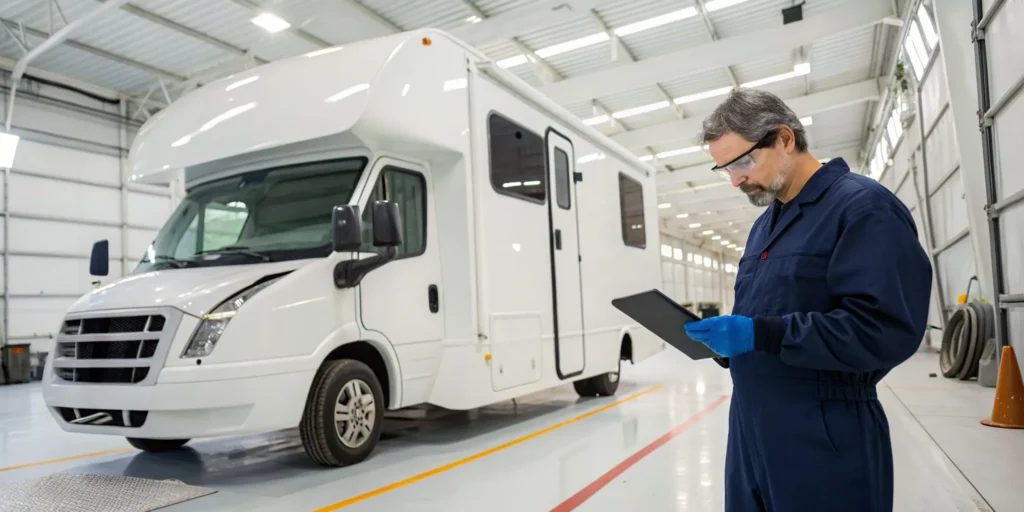
While it’s tempting to get a quick quote over the phone or online, a shop cannot give you a completely accurate price without seeing your RV in person. Photos and descriptions can only show surface-level issues. An experienced technician needs to physically inspect the vehicle to assess the full extent of the damage, checking for problems that aren’t visible in a picture. This includes things like subtle frame bends, issues with slide-out mechanisms, or damage to the plumbing and electrical systems hidden within the walls. An in-person assessment is the only way to get a true starting point for your RV paint and body/collision repair and avoid lowball estimates that will inevitably increase later.
Request a Detailed, Itemized Estimate
A trustworthy estimate is a detailed one. Vague quotes with a single lump-sum price are a major red flag. Instead, the shop should create an itemized estimate that breaks down every aspect of the repair. This document should clearly list the costs for each part, the estimated labor hours for each task, and any fees for materials like paint and supplies. Many professional shops will even include photos to document the damage they are quoting. Don’t be afraid to ask questions. A reputable repair facility will be happy to walk you through the estimate and explain every line item, ensuring you understand exactly what work is being done and why it’s necessary.
Get Multiple Estimates and Compare
It’s always a good idea to get at least two price quotes before deciding on a repair shop. However, your goal shouldn’t be to simply find the cheapest option. When you have multiple estimates in hand, compare them line by line. Does one shop include a repair that another missed? Is one using OEM parts while the other is quoting aftermarket? A significantly lower bid might indicate that the shop overlooked critical damage or plans to cut corners with subpar parts or techniques. Comparing detailed estimates helps you evaluate the thoroughness of each shop’s assessment, allowing you to choose the one that offers the best value and most complete repair, not just the lowest price.
Watch for Hidden or Supplemental Damage
Even a minor fender bender can cause major problems that aren’t immediately obvious. In fact, it’s estimated that nearly 70% of RV collisions involve structural damage you can’t see. A small bump can lead to serious hidden issues like a slight frame twist, fiberglass delamination, or problems with your electrical, plumbing, and slide-out systems. Because of this, the initial estimate may need to be updated once work begins and a technician can get a closer look. This is known as a supplement. A good shop will communicate with you and your insurance adjuster about any supplemental RV services and repairs needed, ensuring there are no financial surprises.
How to Choose the Right RV Collision Repair Shop
After a collision, finding the right repair shop can feel just as stressful as the accident itself. But choosing the right team is the single most important step toward getting your RV back to its pre-accident condition. Your RV is a complex machine, a home on wheels, and it requires specialized care that goes far beyond what a typical auto body shop can offer. When you’re vetting potential shops, focus on a few key areas to ensure you’re handing your keys to a team that is experienced, trustworthy, and transparent.
RV-Specific Experience and Certifications
An RV isn’t just an oversized van. It has unique construction, intricate electrical and plumbing systems, and specialized materials like fiberglass that require a specific skill set. That’s why you should always look for a shop that focuses on RVs. Ask about their team’s experience and if they hold certifications from organizations like the RVIA or NRVTA. This proves they have dedicated training in the complexities of RV systems. A shop that handles everything from diesel chassis work to slide-out mechanisms has the comprehensive knowledge needed to diagnose and repair collision damage correctly, ensuring no underlying issues are missed.
Warranties on Repairs and Parts
A reputable repair shop will always stand behind its work, and the best way they can show that confidence is with a solid warranty. Before you agree to any repairs, ask what kind of guarantees they offer on both parts and labor. For cosmetic work, a lifetime warranty on paint is a great indicator of high-quality materials and craftsmanship. This isn’t just a piece of paper; it’s your peace of mind. A strong warranty means the shop is committed to doing the job right the first time and will be there to support you if any issues arise down the road with their RV paint and body repair.
Transparent Pricing and Clear Communication
You should never feel in the dark about what’s happening with your RV. A trustworthy shop will provide a detailed, itemized estimate that clearly explains every recommended repair, often with photos to document the damage. They should also be your advocate, working directly with your insurance adjuster to account for any hidden damage discovered during the repair process. Clear, consistent communication is non-negotiable. You should feel comfortable asking questions and receive straightforward answers. This transparency builds a foundation of trust and ensures there are no surprise bills or confusing charges when you pick up your rig.
RV Collision Repair Myths, Busted
After an accident, the last thing you need is bad advice. Misinformation about RV repairs can lead to costly mistakes and a lot of extra stress. Let’s clear the air and tackle some of the most common myths so you can approach your repair with confidence.
“Any Auto Body Shop Can Handle RV Repairs”
This is one of the most dangerous myths out there. Your RV isn’t just a big car; it’s a home on wheels with complex electrical, plumbing, and structural systems. A standard auto body shop lacks the specialized tools, oversized service bays, and expertise to handle RV-specific materials like fiberglass. For a safe and lasting fix, you need a team that specializes in RV paint and body/collision repair. Professionals who work on RVs every day understand their unique construction and follow industry standards to get the job done right, ensuring your safety on the road.
“My Insurance Will Cover Everything”
While your insurance policy is there to help, “full coverage” doesn’t always mean every single cost is automatically paid without question. Proper documentation is everything. A reputable RV repair shop will work directly with your insurance adjuster, providing detailed, photo-documented estimates to account for all visible and hidden damage. This advocacy is crucial because if underlying issues aren’t properly reported and approved, you could be left paying for them yourself. A shop that knows how to work with insurance providers is your best ally in this process.
“A Lower Estimate Is Always a Better Deal”
It’s tempting to jump on the lowest price, but a cheap estimate can be a major red flag. It may signal that the shop is using low-quality parts, cutting corners on safety-critical procedures, or has missed significant damage that will surface later. A quality repair protects your safety and the long-term value of your RV. Instead of just comparing bottom-line numbers, look at detailed, itemized estimates from a couple of different shops. A thorough, transparent quote from an expert team ensures you know exactly what you’re paying for.
“RV Parts Are Easy to Find”
Unlike cars, RVs don’t have a universal parts catalog. With countless manufacturers, models, and custom features, finding the exact component for a repair can be a real challenge. An experienced RV repair center has access to specialized supplier networks and parts databases that a general mechanic simply doesn’t. This expertise is key to getting an accurate estimate and a timely repair. Choosing a shop with the right connections ensures you won’t be waiting months for a single part to arrive, getting you back on the road sooner.
Get a Clear, Honest RV Collision Estimate in Denton, TX
After an accident, the last thing you want is a surprise on your repair bill. Getting a clear and honest estimate is the first step toward getting your RV back on the road without any added stress. A trustworthy shop in the Denton area will walk you through the process, ensuring you understand every part of the repair.
A quality estimate is always detailed and itemized. It should clearly list the parts and labor required, so you know exactly what you’re paying for. A great shop will also create a detailed report with photos and handle the conversations with your insurance company, especially when hidden damage is found after the initial inspection. This kind of professional RV collision repair service means you won’t be stuck negotiating or paying for unexpected costs out of pocket.
While sending photos for an online quote can be a starting point, a truly accurate price requires an in-person assessment. An experienced technician needs to see your vehicle firsthand to identify all the damage, including issues that aren’t visible in pictures. This hands-on inspection is essential for creating a precise repair plan and avoiding mid-project price hikes.
Finally, it’s always a smart move to get a couple of price quotes before you commit. Comparing estimates from different shops helps you understand the typical cost for the work your RV needs. This doesn’t mean you should automatically pick the cheapest option, but it does empower you to choose a shop that offers fair pricing for high-quality, reliable work.
Related Articles
- RV Paint and Body/Collision Repair – Patriots RV Services
- Get An Estimate – Patriots RV Services
- Patriots RV Roof Repair & Replacement Cost Guide
- RV Roof Maintenance and Repair | Patriots RV Services
Frequently Asked Questions
What happens if the shop finds more damage after they start the repairs? This is actually quite common in RV repair and is known as a supplement. Once a technician begins disassembly, they often uncover hidden issues that weren’t visible during the initial inspection. A professional shop will immediately stop, document the new damage with photos, and create a supplemental estimate. They will then communicate with you and your insurance adjuster to get approval for the additional work before moving forward, so you are never caught off guard by the final bill.
Why can’t I just take my RV to a regular auto body shop for collision repair? An RV is much more than just a large vehicle; it’s a mobile home with unique structural, electrical, and plumbing systems. A standard auto body shop isn’t equipped to handle the specific materials, like fiberglass, or the complex construction of an RV. Choosing a shop that specializes in RVs ensures the technicians have the right training, tools, and experience to repair every aspect of your rig correctly, from the chassis to the roof, keeping you safe on the road.
Will the new paint perfectly match the rest of my RV? Yes, a high-quality RV collision center can achieve a seamless match. Professional shops use computerized paint-matching technology to analyze your RV’s exact color code. They also use blending techniques to feather the new paint into the existing finish, making the transition invisible. This process accounts for any fading on the original paint, ensuring the repaired area looks like it was never damaged in the first place.
Do I have to pay my deductible even if the accident wasn’t my fault? Typically, yes. You are responsible for paying your deductible directly to the repair shop when you file a claim with your own insurance. After the repairs are complete, your insurance company will often seek reimbursement from the at-fault party’s insurance provider. If they are successful in this process, which is called subrogation, you will usually get your deductible refunded.
How long will my RV be in the shop for repairs? The repair timeline depends entirely on two things: the severity of the damage and the availability of parts. Minor cosmetic work might only take a couple of weeks. However, major structural repairs can take several weeks or even months, especially if specialized components need to be ordered from the manufacturer. A trustworthy shop will give you a realistic timeline upfront and keep you updated throughout the process.